
China's efforts to increase self-sufficiency in soybean production fail
03-Dec-2024 09:58 AM
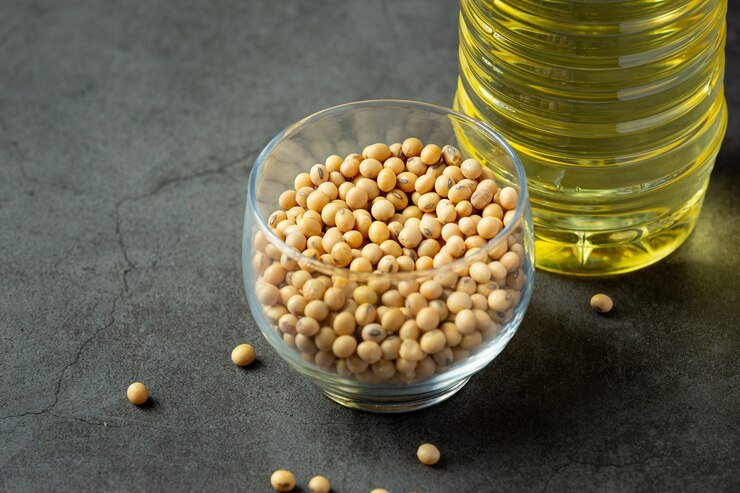
China's efforts to increase self-sufficiency in soybean production fail
China's efforts to increase self-sufficiency in soybean production have largely fallen short, despite significant ambitions laid out in the 2021-2025 Five-Year Plan. Here are the key points:
Production Shortfall: China's goal was to increase soybean production to 23 million tonnes by 2025, which would boost self-sufficiency by 6-7%. However, soybean production is projected to be only 20.45 million tonnes in 2024, falling 2.5 million tonnes short of the 2025 target. In fact, production is expected to decline slightly in 2024 compared to 2023.
High Dependence on Imports: To make up for the production gap, China's soybean imports are expected to rise significantly, reaching 94.6 million tonnes for the 2024-2025 period. The majority of these imports are likely to come from Brazil and the United States, making China highly dependent on these countries for its soybean supply.
Obstacles to Self-Sufficiency: Several factors are contributing to the challenges in increasing domestic production:
Land Allocation: China faces competition for agricultural land, especially between soybean and corn production, making it difficult to expand soybean farming.
Yield and Subsidy Issues: Despite subsidies and policy support, soybean yields in China have remained relatively low compared to other major producers like Brazil and the U.S.
Declining Consumption: There are concerns that domestic demand for soybeans, particularly for animal feed, may not grow as expected, reducing the incentive for farmers to increase production.
Impact on Global Prices: As China’s reliance on imports grows, global soybean prices are expected to rise, especially if demand from China continues to increase. This could further impact global food prices, particularly in the livestock sector.
In conclusion, China's goal of increasing its self-sufficiency in soybean production faces significant hurdles, and the country is likely to remain a major importer, relying on suppliers like Brazil and the U.S. for the foreseeable future. This dependence could drive up global soybean prices and create challenges for China’s food security policies.