
Coriander Prices Surge Amidst Anticipated Production Decline and Stockist Buying
11-Apr-2026 12:23 PM
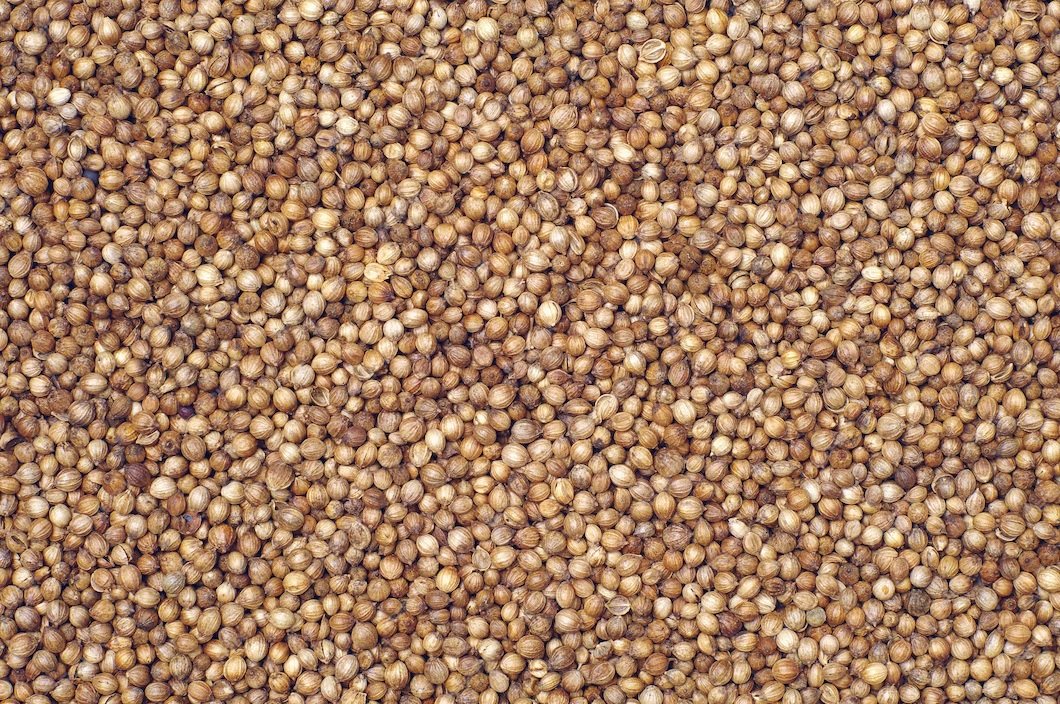
Mumbai. Due to low domestic market prices for coriander during the previous season, farmers failed to realize attractive returns. Consequently, for the 2025-26 season, farmers have shown greater interest in cultivating other crops—including mustard—rather than this key spice.
Indications suggest a decline in coriander production during the current season; meanwhile, strong buying activity by stockists, inter-state traders, and exporters is driving prices upward, resulting in a bullish market trend.
According to trade analysts, compared to last year, current-year futures prices for coriander are trading approximately 67 percent higher, while spot market prices have risen by about 50 percent. Market observers suggest that while a heavy influx of new arrivals might cause coriander prices to soften temporarily, the overall upward and bullish trend is likely to resume thereafter.
Although heavy imports from abroad could potentially depress the market, the ongoing crisis in West Asia and elevated shipping costs make any significant softening in prices appear unlikely.
On commodity exchanges, the futures price for coriander's May contract has surged by 67 percent so far in April, reaching ₹13,088 per quintal; concurrently, the average spot market price has risen by approximately 50 percent to reach ₹130 per kilogram.
According to analysts, domestic coriander production has been on a downward trajectory for the past three years. For the current 2025-26 season, production is estimated to contract to a range of 9.5 to 9.7 million bags (each weighing 40 kg)—a decline from the 11 million bags estimated in the 2024-25 season and the 12 million bags recorded in the 2023-24 season.
This subdued production outlook is expected to result in a tight supply situation. With a production of 9.5 million bags and a carry-over stock of 3.5 million bags from the previous season, the total availability of coriander could reach 13 million bags,
whereas domestic and export demand typically ranges between 15 million and 17 million bags. Consequently, the demand-supply equation is likely to remain complex.