
Despite Record Production and Imports, Farmers Show Renewed Interest in Maize
16-Jul-2025 09:48 AM
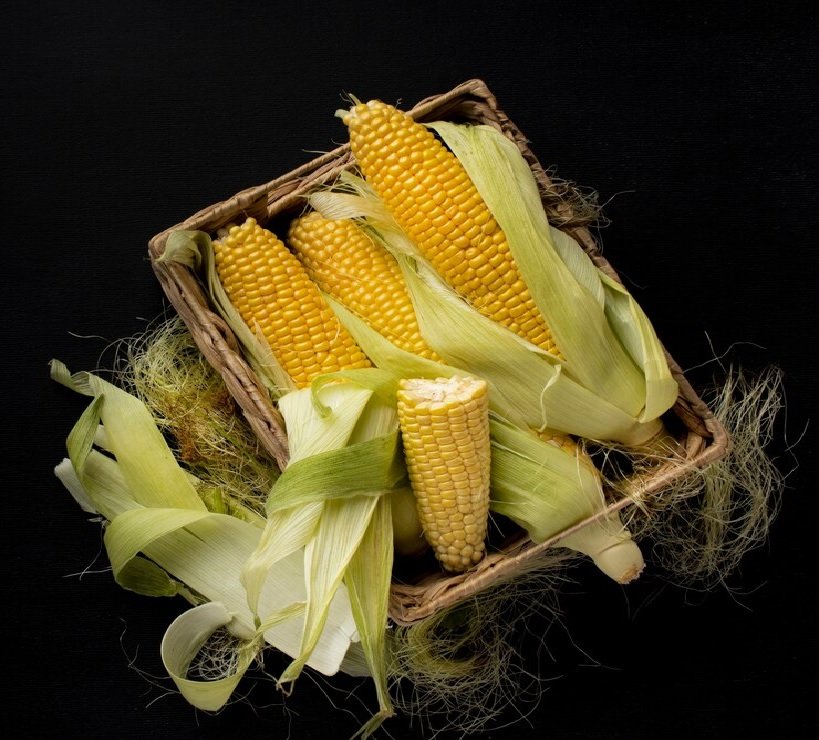
Despite Record Production and Imports, Farmers Show Renewed Interest in Maize
★ Ethanol Breathes New Life, But the Road Ahead Isn't Easy
★ Maize cultivation and production in India have reached new heights. According to the latest data from the Ministry of Agriculture, production stood at 422.81 lakh tonnes in 2024-25, compared to 376.65 lakh tonnes in 2023-24 and 380.85 lakh tonnes in 2022-23. ★ Sowing across most states has picked up pace this kharif season, and if the trend continues, a second consecutive year of record production is likely.
★ While maize imports were just 1.26 lakh tonnes in 2023-24, the figure surged to 9.55 lakh tonnes in 2024-25.
~~~~~~~~~~~
Clear Impact of Ethanol Demand; Prices on a Steady Rise
Maize prices in Gulabbagh mandi:
Rs. 2,180/quintal on 15 May 2025
Rs. 2,230/quintal on 14 June 2025
Rs. 2,350/quintal on 15 July 2025
~~~~~~~~
★ Ethanol is now being produced from multiple sources — including sugarcane, B-molasses, C-molasses, and rice. Earlier, the use of these sources for ethanol production was restricted. The Food Corporation of India (FCI) has already allocated 17 lakh metric tonnes of rice for ethanol production, and this number is gradually increasing.
★ Ethanol manufacturers are now urging the government to increase the procurement price of ethanol derived from maize. However, if the government does not raise the Minimum Support Price (MSP), producers may shift away from maize to more cost-effective sources like rice.
~~~~~~
Policy Pressures and Import Challenges Ahead
★ The United States is pushing India to increase maize imports. Any policy shifts or changes in cost dynamics that lead ethanol producers to move away from maize could trigger a decline in domestic maize demand.
~~~~~~~
★ The maize sector currently stands at the intersection of ethanol policy, global trade pressures, and government support. Farmers and traders must remain alert to these shifting dynamics. Balancing production and demand will be a key challenge in the months to come.