
Mustard and gram acreage expected to increase in the Rabi season
28-Oct-2025 06:11 PM
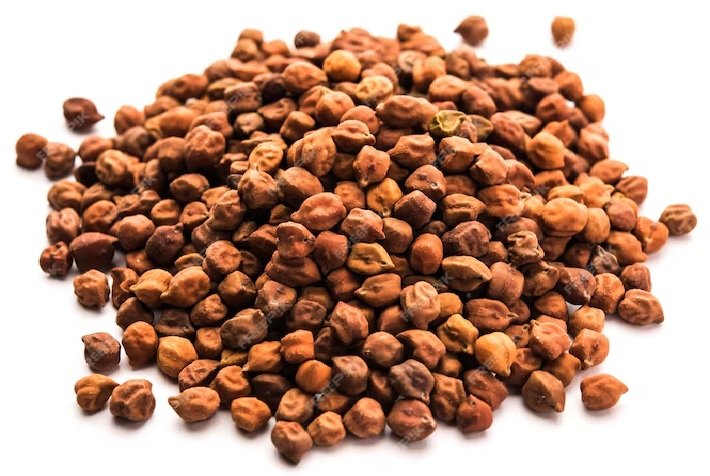
New Delhi. Sowing of Rabi crops has already begun and is expected to accelerate in the coming days. Good southwest monsoon rains have created favorable conditions for sowing various crops.
The government has significantly increased the minimum support price for gram and mustard, while wholesale market prices are currently higher than the current support price.
A 10 percent customs duty has been imposed on gram imports. Compared to last year, gram imports from Australia are significantly lower. However, yellow peas, a better alternative to gram, are currently duty-free and are being imported in significant quantities. However, the duty-free import deadline is March 31, 2026.
After this, efforts may be made to restrict their imports. Some analysts believe that the government may take steps to curb pea imports even before this deadline.
The case of mustard is different. It is not imported from abroad. This year, even the massive import of cheap edible oils is not having any significant negative impact on mustard and its oil prices.
For a long time, mustard prices have been hovering well above the government support price, indicating that previous production was lower than expected.
This year, the five-year average area under gram has been set at 10.1 million hectares, and the actual area is expected to exceed this.
According to government data, the area under gram cultivation improved to 3.20 lakh hectares as of October 24th, which is 30,000 hectares more than the 2.90 lakh hectares sown during the same period last year.
Similarly, mustard cultivation area jumped by 1.06 lakh hectares from last year's 18.72 lakh hectares to 19.78 lakh hectares this time.
Its normal average area is estimated at 79.16 lakh hectares. Good mustard sowing is expected in leading producing states like Rajasthan, Uttar Pradesh, Haryana, Madhya Pradesh, Gujarat, Bengal, and Bihar.