
About 10 lakh tonnes of yellow peas stock is present at Indian ports.
26-Sep-2024 08:40 PM
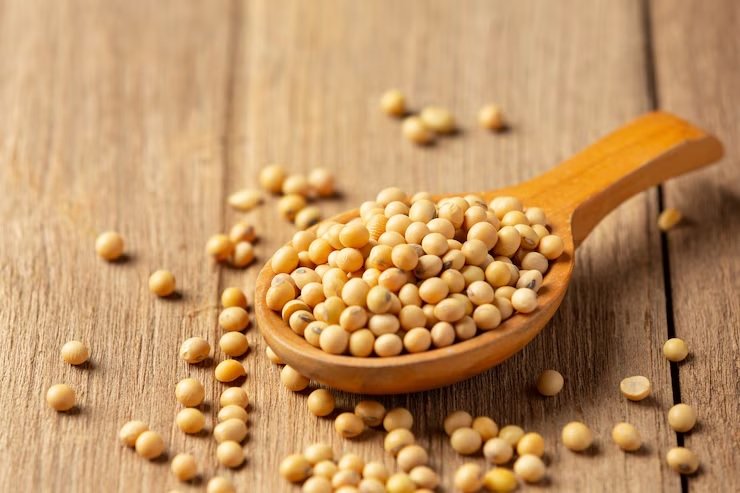
Mumbai. The chairman of India Pulses and Grains Association (IPGA), a leading organization of pulses industry and trade sector, says that about 22 lakh tonnes of yellow peas were imported in the country from 31 December 2023 to 15 September 2024,
out of which about 10 lakh tonnes of stock is still present at Indian ports. Apart from this, 8 lakh tonnes of yellow peas can be imported by mid-November.
There is a huge stock of about 100 lakh tonnes of yellow peas available in the global market, so its supply and availability situation will remain smooth.
The chairman of the association termed the government's decision to extend the time limit for duty-free import of yellow peas by two months as unnecessary and said that this would benefit countries like Canada, while there would be no significant impact on prices in the Indian pulses market.
The chairman suggested the government to create a buffer stock of 30-40 lakh tonnes of pulses and said that this would help in controlling the rise in prices.
He said that during the financial year 2023-24, a huge import of 47.30 lakh tonnes of pulses took place in the country, whereas in the financial year 2024-25, the total imports may be equal to this or slightly less than this.
According to the chairman, after November, there will be stability in the pulses market and there will be no significant increase in prices.
The production of gram in Australia is expected to increase to 20 lakh tonnes and its new crop will start arriving there in the next few weeks.
Meanwhile, in India, the production of tur in the current Kharif season of 2024-25 may increase to 42 lakh tonnes, which will be much higher than the production of 2023-24 season.
Although the pulses industry had urged to withdraw the decision of duty-free import of yellow peas and remove the import duty on Kabuli gram, but the government ignored it.
It is known that a basic import duty of 40 percent is imposed on Kabuli gram. The chairman of the association says that the customs duty on Kabuli chana should have been removed when its price was at its peak.
Now if it is removed, there will be no significant benefit because by the time its import starts in October-November, the supply of Desi chana will also start from Australia.