
Adverse weather conditions likely to cause a sharp decline in the production of cardamom
15-Oct-2024 12:57 PM
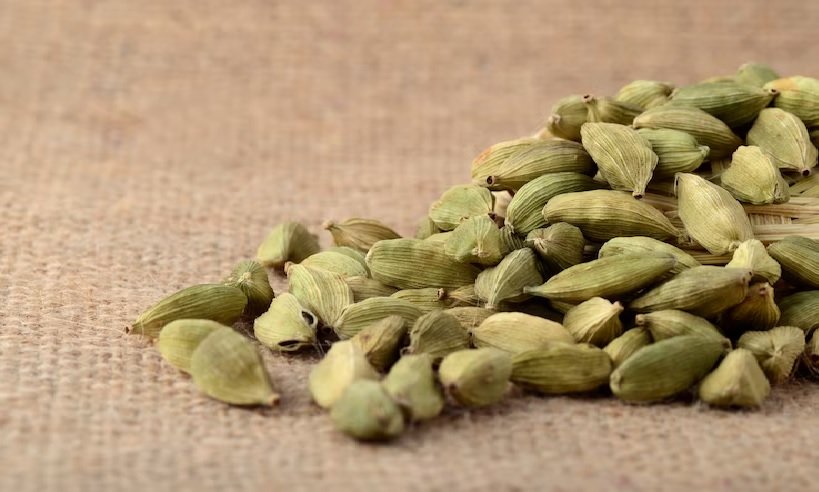
Kochi. Due to the continuous bad weather conditions, the small cardamom crop suffered a lot during the current year and hence its production is likely to fall sharply.
According to a leading analyst, the crop suffered heavy damage due to extremely hot and dry weather and drought like atmosphere during February to May and later heavy rains between June to August damaged the plantations.
According to trade analysts, both buyers and sellers are currently being very cautious as the price of cardamom is running above Rs 2000 per kg and has reached Rs 2300 per kg in the auction centers. At this price level, only the goods are being purchased to meet the immediate needs of the market.
According to a reviewer and auctioneer, about 25 thousand tonnes of small cardamom was produced last year, whereas in the current year it is likely to decrease by 30-40 percent.
The actual situation is quite bad and this is one of the worst years for farmers in terms of fall in production. The goods coming to the auction centers include 60-70 percent of new crop and 30-40 percent of old stock.
The long drought during February to May has badly affected the cardamom crop and hence the first phase of harvesting is also getting adversely affected.
Heavy rains in June-August have increased the risk of fungal attack on the crop, which has led to the possibility of a fall in its yield rate. The grains also fell due to strong wind flow.
A positive trend is being seen in the prices of cardamom, but the demand for premium quality Indian cardamom has weakened in the global export market and especially in the Gulf countries, where Guatemala's cardamom is available at competitive prices.
In the domestic sector also, the demand for cardamom is not very strong due to shortage of funds and high prices.
The demand for Diwali cannot be considered encouraging either. After November, domestic and export demand for cardamom is expected to increase. The ongoing tension in West Asia is currently hampering exports.