
Bangladesh prepares to cut import duty on dates and edible oil before Ramadan
19-Nov-2024 12:37 PM
Bangladesh prepares to cut import duty on dates and edible oil before Ramadan
Bangladesh's decision to reduce import duties on dates and edible oil ahead of Ramadan reflects an effort to alleviate the financial burden on consumers during the holy month. Here's a closer look at the key points:
Dates:
Current Taxation: At present, about 64% import duty is levied on dates. This includes custom duty, advance tax, advance income tax, and VAT.
Proposed Reduction: The import tax is expected to be reduced to 39%, which could make dates more affordable for consumers as Ramadan approaches.
Demand Surge During Ramadan: Bangladesh has an annual demand of around 1.10 lakh tonnes of dates, with 60,000 tonnes being consumed during the month of Ramadan alone. This makes the tax cut especially significant for many households who rely on dates for breaking fast.
Edible Oil:
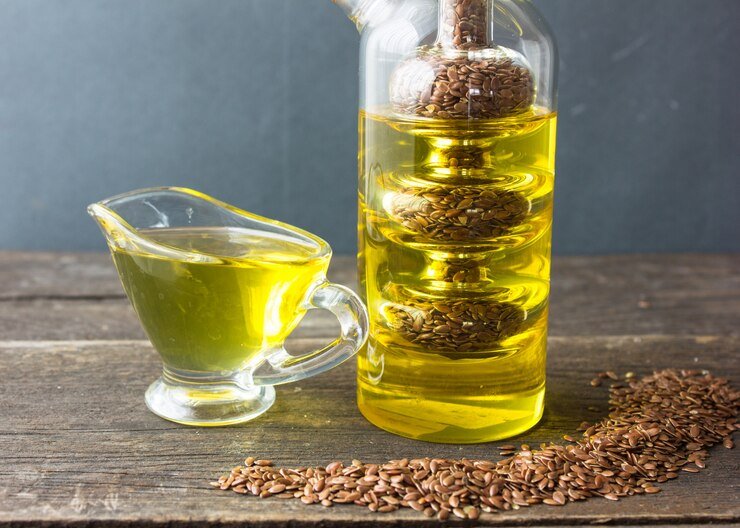
VAT Reduction: The VAT on imported edible oil, currently at 15%, may be reduced to 5%. This move complements the previous action by the National Board of Revenue (NBR) to remove all VAT on locally refined and sold edible oil.
Impact: The price of edible oil is expected to decrease as a result of these cuts, offering some relief to consumers during Ramadan when demand for cooking oil is typically high.
Other Essential Commodities:
The government has also reduced import taxes on essential commodities like rice and sugar in recent months. However, despite these reductions, prices of these commodities remain high, likely due to global market trends, supply chain issues, or inflation.
Overall Context:
These measures are part of the government’s broader strategy to manage inflation and reduce the financial strain on Bangladeshi households, particularly in the lead-up to Ramadan, which is a period of increased consumption. However, there are concerns that the impact may be limited if global prices for essential goods continue to rise.
By targeting key staples like dates and edible oil, the government hopes to ease the burden on consumers who typically face higher prices during Ramadan due to increased demand.