
China's Corn and Wheat Imports Likely to Increase Soon
22-Dec-2025 08:58 PM
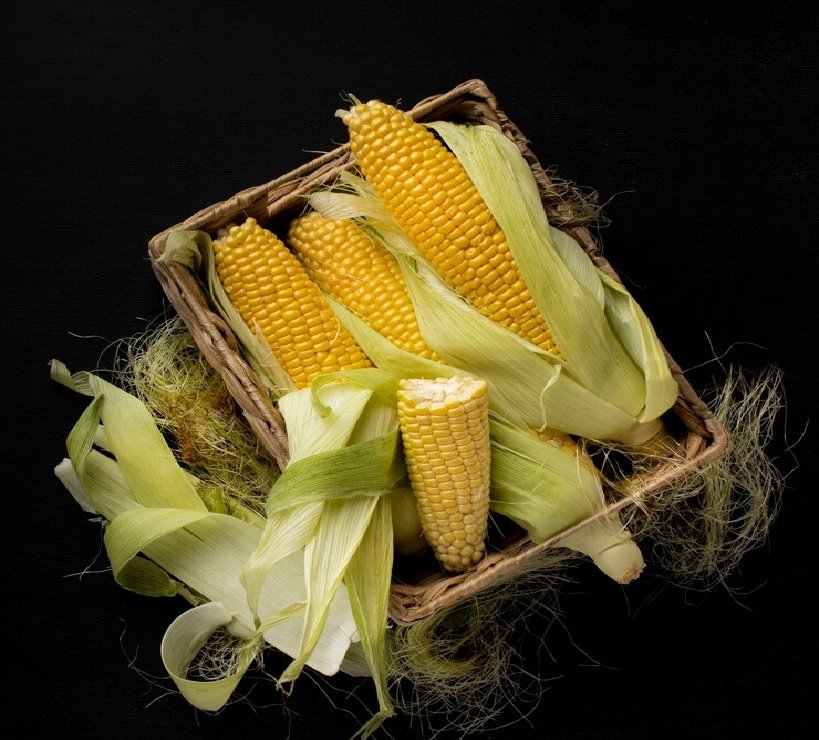
Chicago. Following a recovery in prices after the harvest of new corn and wheat crops in China, it appears that domestic production is insufficient to meet demand and consumption. On the other hand, prices for these two important grains are quite soft in the international market.
This could encourage Chinese importers to import large quantities of corn and wheat. Major exporting countries have large stocks of both grains, and there is fierce competition to increase shipments.
Producers and exporters in Canada and the United States are confident that Chinese importers will soon become active in the global market to buy wheat and corn.
Wheat production in Canada is estimated to reach a new record level of 40 million tons this year, including 29.3 million tons of spring wheat. Winter and durum wheat are also produced there.
The good news is that wheat exports in the current 2025-26 marketing season are ahead of last year. US wheat exports are continuing at a normal pace. China imports large quantities of wheat from Australia and several other countries.
A leading analyst says that given record production and strong global demand, wheat exports from Canada could increase to a new record level of 24 million tons during the current marketing season.
The problem is that all seven leading wheat exporting countries in the world have had excellent production this year, with combined production reaching a new record level. Canada needs strong global demand for wheat.
Competition in the international market has increased significantly. Despite large stocks, wheat futures prices on the Minneapolis exchange have remained largely stable, indicating that there may be good demand for it in the future.
There are reports that adverse weather conditions in China have affected the quality of wheat and corn.
This has led to an increase in the price of good quality grain there, as domestic supply is facing difficulties.
Importers can take advantage of this situation by importing large quantities of wheat and corn from other exporting countries, including Canada, Australia, and the United States.