
Consideration on reduction in minimum export price of Basmati rice
21-Aug-2024 05:19 PM
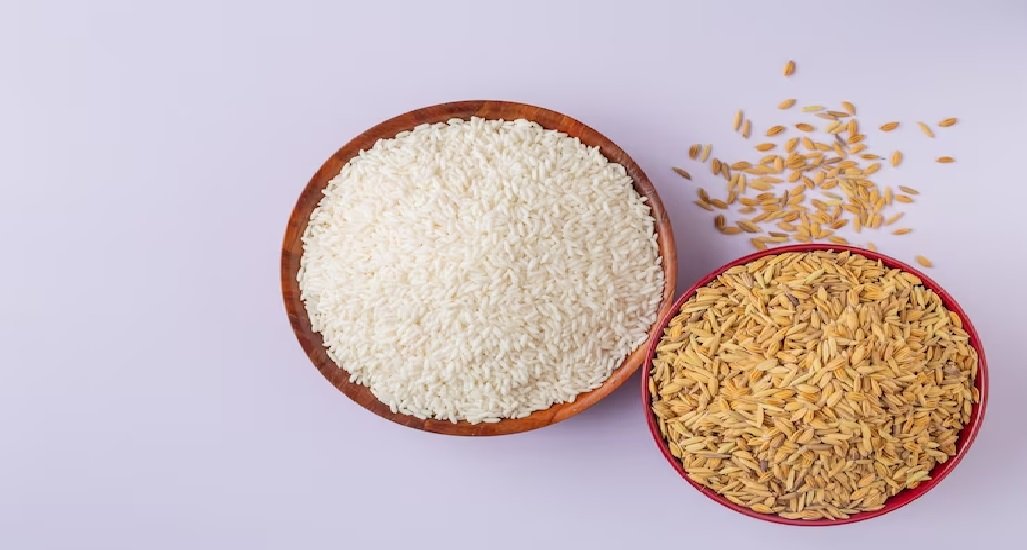
New Delhi. The Central Government is considering a proposal to reduce the minimum export price (MAP) of Basmati rice.
Exactly one year ago, in August 2023, the government had fixed a MAP of $ 1200 per tonne for Basmati rice, which was reduced to $ 950 per tonne in November 2023 after strong demand from exporters.
This led to a tremendous increase in the export of premium quality long grain Basmati rice. But now the problem of exporters has increased again and they are demanding a reduction of $ 100-150 in this MAP from the government.
According to exporters, the global market price of some varieties of Basmati rice has fallen below this minimum export price (950 dollars per tonne), due to which there is difficulty in its export. The government should either abolish the MAP system or make the required reduction in it.
There are chances of better production of Basmati rice in the country during the current Kharif season. On the other hand, a good stock of Basmati rice purchased earlier is still present in the major importing countries, therefore its demand has weakened there at high prices.
According to informed sources, several rounds of talks have taken place between the government and exporters on this issue in recent times and now the government's decision is awaited for reduction in MAP, which is expected to be announced soon.
Harvesting and preparation of the new crop of early cultivation of Pusa Basmati 1509 paddy has already started in Uttar Pradesh and its price in the markets is around Rs 2500 per quintal, which is below the prevailing price of Rs 3000 per quintal last year.
New arrival of premium variety Pusa 1121 Basmati paddy is also likely to start by the end of next month, which may increase pressure on its prices and its price may come down.
The production of Basmati rice is estimated to increase by about 10 percent during the 2024-25 season as compared to 70 lakh tonnes in the 2023-24 season.
Farmers received high and attractive prices for the last crop, so the area under Basmati paddy increased.
In Punjab, its area has increased by 12 percent from 5.90 lakh hectares last year to 6.70 lakh hectares this time.