
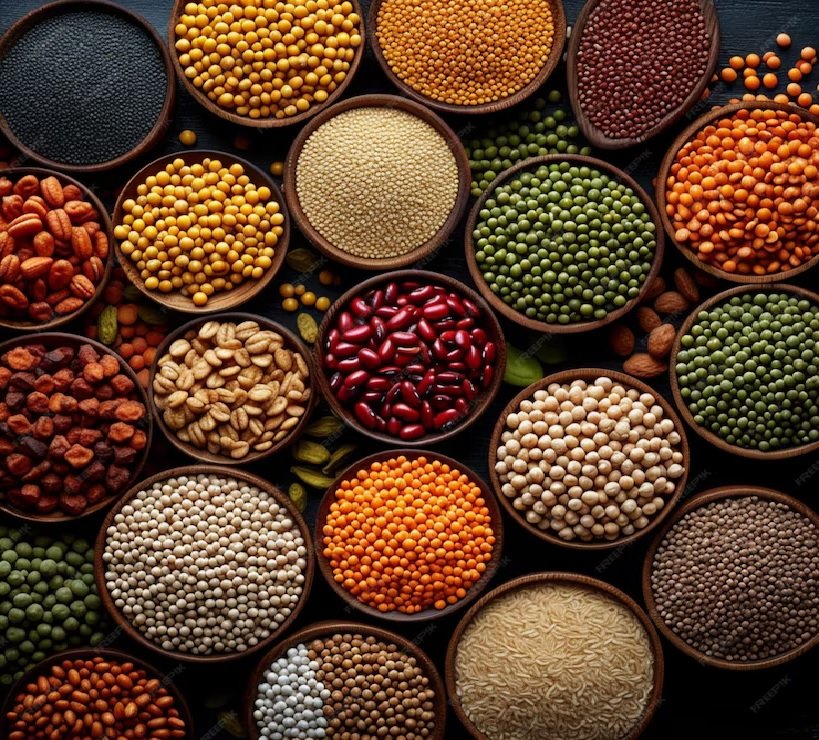
The decline in the area under pulses and oilseeds cultivation is indeed a matter of significant concern, particularly in the context of India's agricultural policy and its ambitious goals for self-sufficiency in these essential crops by 2027. While the government has set targets to reduce reliance on imports of edible oils and increase pulses production, current trends indicate a tough road ahead to meet these goals.
Key Issues:
Decline in Area Under Pulses and Oilseeds: Despite a good increase in acreage for pulses and oilseeds in the Kharif season, the current Rabi season has seen a reduction in areas planted with critical crops such as lentils, peas, mustard, and groundnut. This shift away from pulses and oilseeds in favor of more profitable or subsidized crops like wheat is particularly worrying. Wheat, which enjoys government support and assured procurement at minimum support prices (MSP), is becoming a preferred choice for farmers, resulting in reduced sowing of pulses and oilseeds.
Economic Challenges for Farmers: Soybean and groundnut farmers are facing financial stress due to low market prices, especially for soybeans, which are trading below the MSP. Despite government efforts to procure these crops at the support price, the pace of procurement is slow, leading to substantial financial losses for farmers. This has created an environment of discouragement, with farmers likely to move away from soybean cultivation in the upcoming Kharif season if the situation does not improve.
Incentive Structure: While the government is making efforts to support pulses and oilseeds production, the current incentives for farmers appear inadequate. The lack of proper price support, procurement issues, and challenges in market access have led to reduced enthusiasm among farmers for growing pulses and oilseeds. For example, the decline in mustard sowing during the Rabi season reflects the farmers' lack of confidence in these crops' profitability.
Impact on National Economy: India is heavily dependent on imports of pulses and edible oils, spending significant foreign currency to meet domestic demand. The rising import bill places strain on the national treasury and weakens the overall economic position. Achieving self-sufficiency in these crops would not only ease this financial burden but would also improve food security and farmer livelihoods in the long run.
The Road Ahead:
Policy Interventions Needed: The government needs to provide better incentives to pulse and oilseed farmers, including higher MSPs, faster procurement processes, and easier market access. Additionally, support for research in crop productivity and pest management could help improve the yields and viability of pulses and oilseeds.
Diversification of Crops: Encouraging crop diversification in the Rabi season, where farmers traditionally favor wheat, is essential. The promotion of pulses and oilseeds as viable alternatives to wheat could reduce the pressure on wheat cultivation and help meet domestic demands.
Farmer Education and Awareness: Farmers must be educated on the benefits of growing pulses and oilseeds, especially in terms of crop rotation and soil health. Additionally, ensuring that they understand the long-term gains of self-sufficiency, both economically and environmentally, could shift attitudes towards these crops.
Addressing Import Dependency: To minimize the import of pulses and edible oils, a holistic approach is required, involving better yields, improved market conditions, and reduced post-harvest losses. Moreover, tapping into the global market for pulses could help reduce the gap between domestic production and demand.
Conclusion:
The declining area under pulses and oilseeds cultivation is a critical issue for India's agricultural sector and economy. While the government is taking steps to improve self-sufficiency, it is essential that more support be provided to farmers through better pricing, procurement policies, and market access. Without these changes, the country's goal of reducing dependence on imports of pulses and edible oils by 2027 may remain out of reach.