
Despite a slight decline, dependence on edible oil imports persists
10-Nov-2025 04:02 PM
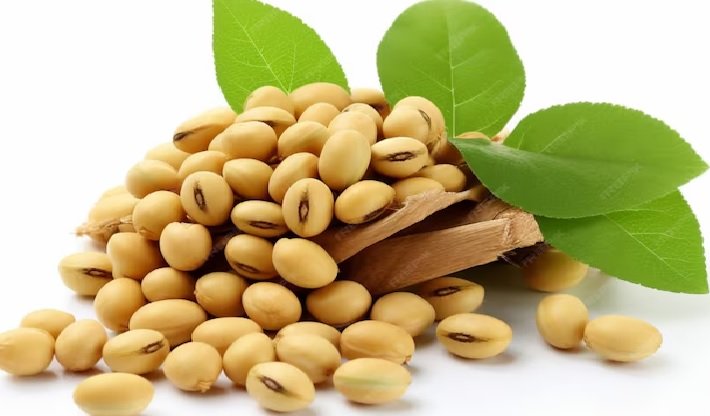
Mumbai. Although edible oil imports declined slightly during the 2024-25 marketing season (November-October) compared to the 2023-24 marketing season, total imports remained high, maintaining India's heavy dependence on foreign oil imports.
This dependence is likely to persist for the foreseeable future, as the massive import of edible oil will not be reimbursed from domestic sources for several years.
According to a leading rating agency, the acreage under oilseed crops declined in the 2025 Kharif season, and natural disasters also damaged some areas.
Soybean crops were particularly affected. Consequently, a decline in total oilseed production is expected, which could increase dependence on edible oil imports.
According to the rating agency, edible oil imports into India are projected to fall to 15.5 million tonnes in the 2024-25 season, compared to 16 million tonnes in the 2023-24 season and 16.5 million tonnes in the 2022-23 season.
The significant difference in import duties between crude edible oil and refined edible oil will maintain good margins for the domestic refining industry. It is worth noting that since July 2025, the country has been importing limited refined edible oils, while crude edible oil imports have remained normal.
It is noteworthy that in May 2025, the central government reduced the effective import duty on crude grade soybean oil, palm oil, and sunflower oil from 27.5 percent to 16.5 percent, but the effective import duty of 35.75 percent on refined edible oils (primarily RBD palmolein) was kept unchanged.
According to the rating agency, there are signs of rapid increase in soybean oil imports in the 2024-25 marketing season, while palm oil imports have been affected due to high prices.
According to the agency, although the price of crude palm oil (CPO) is likely to soften somewhat in the year 2026 due to the expectation of better production,
but its demand and supply equation may become complicated due to increased use in biodiesel production in Indonesia, due to which prices are likely to rise in the second half.