
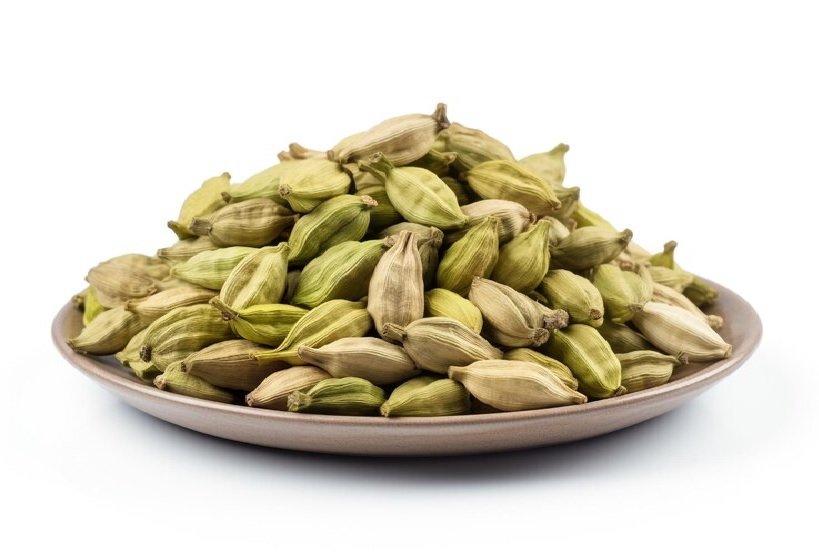
The domestic and export demand for cardamom is anticipated to improve in the coming months due to several key factors. In the domestic market, the ongoing Lagnasara season is expected to increase demand, while internationally, the approaching Ramzan season could drive higher demand from Muslim-majority countries, particularly in the Gulf region.
However, the global supply of cardamom is expected to face significant challenges due to a sharp anticipated drop in production in both Guatemala and India, the world's largest producers and exporters.
Production is expected to decline by 40-50%, which could create supply constraints in the global market. This supply shortage is likely to increase competition for available cardamom, pushing up prices.
The price of Guatemalan cardamom is reportedly higher than usual, which could lead to an increase in demand for Indian cardamom, particularly in major importing countries.
While Indian cardamom is generally known for its superior quality, its price has been traditionally higher than that of Guatemala.
However, this season, due to the high prices of Guatemalan cardamom and its producers’ reluctance to sell at lower prices, Indian cardamom is seeing greater interest, even though it might also become more expensive.
Auction prices for small cardamom in Kerala, a major cardamom-producing region in India, have been rising. On November 7, the average auction price was Rs 2503 per kg, and it has since increased to above Rs 2721 per kg.
With an average of 70 tonnes being sold at auction and strong demand from both local dealers and exporters, prices are expected to continue to rise.
Looking ahead, analysts predict that the price of Indian cardamom could reach as high as Rs 3000 to Rs 3500 per kg due to the strong demand driven by Ramzan in the Gulf. However, the very high prices may affect domestic consumption, making it less accessible for local buyers.
Overall, the price of small cardamom is expected to remain robust in the domestic market until February or March, largely driven by strong export demand and supply constraints in the global market.