
Due to festive demand, prices of gram as well as tur are likely to increase.
05-Sep-2024 08:28 PM
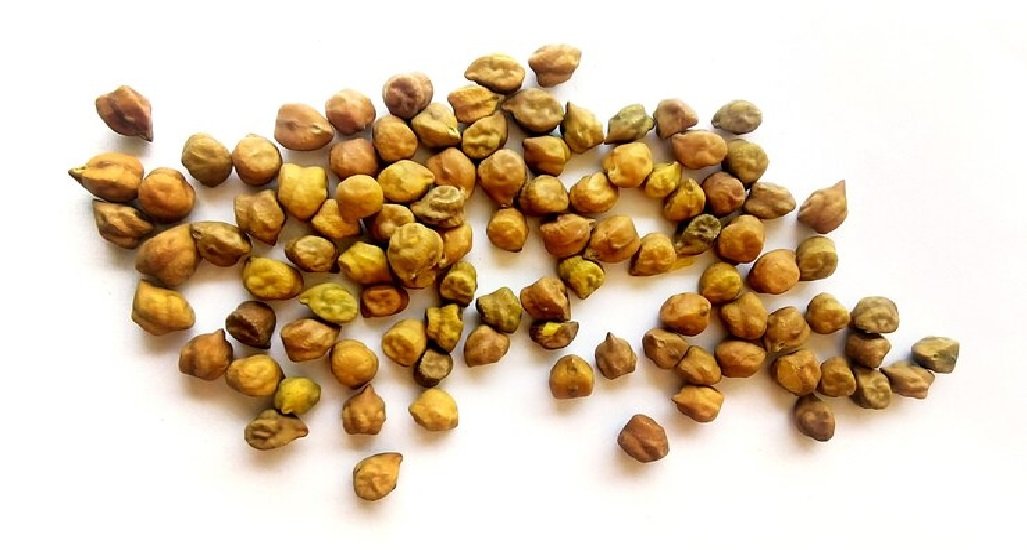
New Delhi. Although, in order to ensure adequate supply and availability in the domestic sector and to curb the rise in prices, the Central Government has on one hand imposed rules of storage limit on gram (desi) and tur (tuvar) and on the other hand has allowed its duty free import from abroad,
but no special positive effect is being seen. Its arrival in domestic wholesale markets is decreasing and its import from abroad is also limited.
In view of the complex situation of supply and availability, it is natural that the estimate made by the government for the production of tur and gram will raise doubts.
When the price of desi gram surpasses lentil and reaches close to urad and the price of tuvar is more than Rs. 100 per quintal, then it will definitely be believed that its production has been much less than the domestic demand and requirement.
To control the prices of gram, the government completely opened the import of yellow peas and incidentally, there was a huge import of it from abroad,
but it seems that yellow peas could not prove to be a better alternative to gram and neither was it successful in putting pressure on the price of Indian gram.
Usually, during the festive season, the price of gram increases due to the strong demand of gram flour sellers,
but it was not likely that it would reach the historical record level of Rs 8000 per quintal. It is believed that when the arrival of new gram starts in Australia in mid-October and there will be a strong import in India,
only then its price will soften a little. The festive season will also end in November. In view of the very high prices, sowing of gram is also expected to increase in the upcoming Rabi season.