Home News
21-Oct-2026 05:57 PM
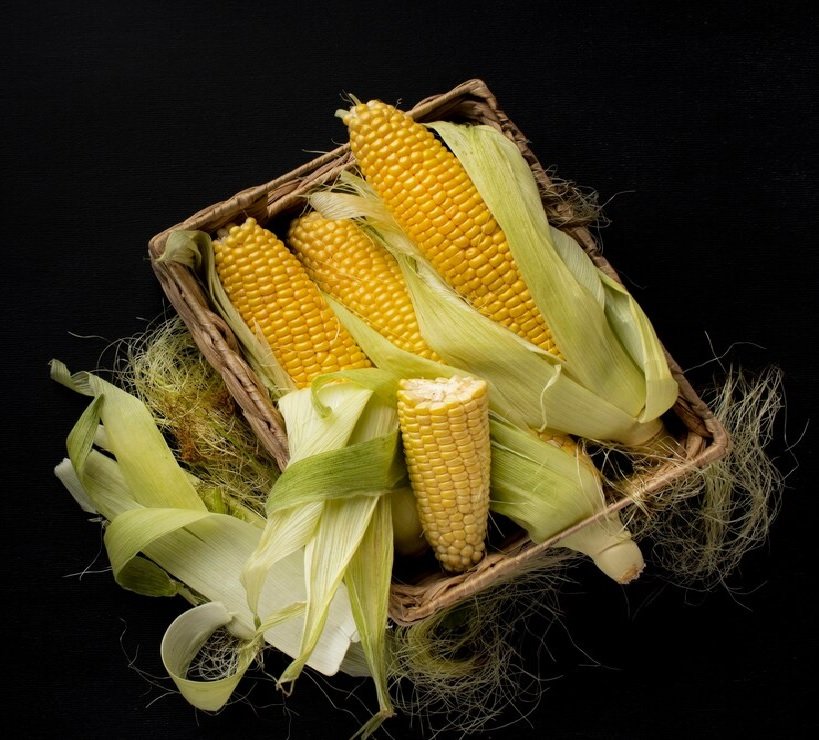
New Delhi. Maize is no longer merely a common coarse grain; it has evolved into a significant engine for industrial development. Until a few years ago, maize was primarily used for human consumption, animal and poultry feed, and starch production. Now, however, it is increasingly being utilized for ethanol production, which has reduced the surplus available for export.
The government has been actively promoting the expansion of maize production. As a result, the output of this vital coarse grain has surged—rising from 43.4 million tonnes in the 2024-25 season to a record-breaking 55.0 million tonnes in the 2025-26 season.
Maize has the potential to become a strategic energy powerhouse. While sugarcane was previously the leading agricultural source for bioenergy, maize has now significantly surpassed it. Similarly, the consumption of maize in the poultry and starch-manufacturing sectors continues to grow.
This year, the government increased the Minimum Support Price (MSP) for maize by a marginal ₹10 per quintal—a move that has dampened farmers' enthusiasm and interest in cultivating the crop. In key producing states—such as Maharashtra, Madhya Pradesh, Karnataka, Rajasthan, Bihar, and Gujarat—farmers invest in maize cultivation with high expectations; therefore, it is essential to ensure they are not left disappointed.