
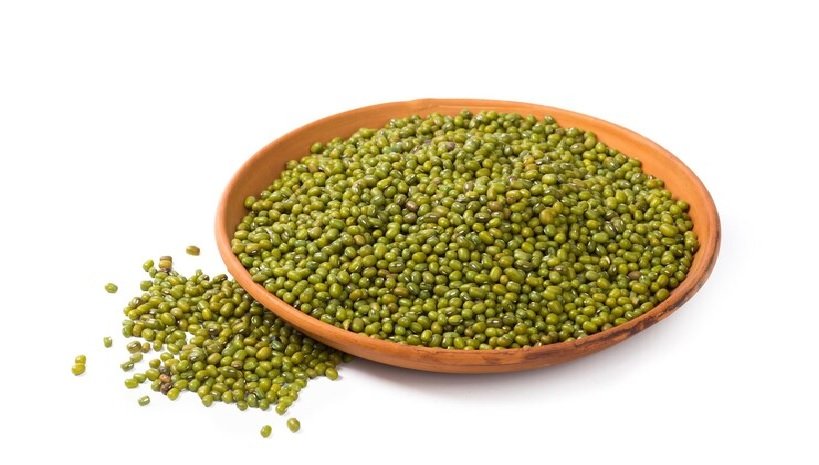
The situation you're describing highlights a significant issue for moong farmers in Rajasthan, particularly with the sharp contrast between the Central Government's procurement target and the state's production estimates. Let's break down the key points:
Moong Production and Procurement Target:
- Rajasthan has estimated a production of 1.80 crore quintals (18 lakh tonnes) of moong in the 2024-25 Kharif season.
- However, the Central Government has set a target to purchase only 11.4% of this total, which translates to about 20.33 lakh quintals, significantly less than the 25% target that was initially set under the Pradhan Mantri Annadata Aay Sanrakshan Abhiyan (PM-AASHA) in 2018.
Impact on Farmers:
- In 2018, the Central Government had committed to purchasing 25% of a crop’s total production at the Minimum Support Price (MSP), but this was cut back for moong. Under the previous system, this would have resulted in the government purchasing 44.53 lakh quintals of moong in Rajasthan, a much larger share than the 20.33 lakh quintals now targeted.
- This reduction is a major blow for farmers who rely on the MSP to ensure a fair price for their crops. Currently, moong prices in the open market range from Rs 4,000 to Rs 7,000 per quintal, far below the MSP of Rs 8,682 per quintal. This creates a significant income gap, making it harder for farmers to break even, let alone make a profit.
Challenges in Registration and Procurement Process:
- Farmers are facing difficulties registering their crops for MSP procurement. This can be frustrating, especially when there is already a limited amount the government is willing to buy. The bureaucratic process can be cumbersome, and the mismatch between the local market price and the MSP adds to their hardship.
Political Implications:
- The dissatisfaction is amplified by the perception that the state government, despite being part of the “double engine government” (where both the state and central governments belong to the same party), is unable to influence the central decision on procurement limits.
- Furthermore, Ajmer, a major moong-producing district in Rajasthan, is represented by the Union Minister of State for Agriculture, which has raised questions about the government's commitment to addressing local farmer issues. Farmers feel that the state government has not been able to advocate effectively on their behalf.
Significance of Rajasthan’s Moong Production:
- Rajasthan is a major player in the country’s moong production, accounting for about half of the national output. Given this large share, the state is crucial for the overall availability of moong in the market, and any shortfall in procurement could have a ripple effect on both farmers' livelihoods and the national supply chain.
Summary:
The reduced procurement target for moong by the central government has left farmers in Rajasthan feeling marginalized. Despite the government's earlier commitment to support farmers via the PM-AASHA scheme, the decision to limit procurement to just 11.4% of the total production of moong is causing significant distress. With prices falling far below the MSP in the open market and the challenges around registration, many farmers are feeling the economic squeeze. The situation has also sparked political debates about the effectiveness of the state and central governments in addressing the concerns of agricultural producers, especially in a key crop-producing state like Rajasthan.