Home News
19-Sep-2026 11:13 AM
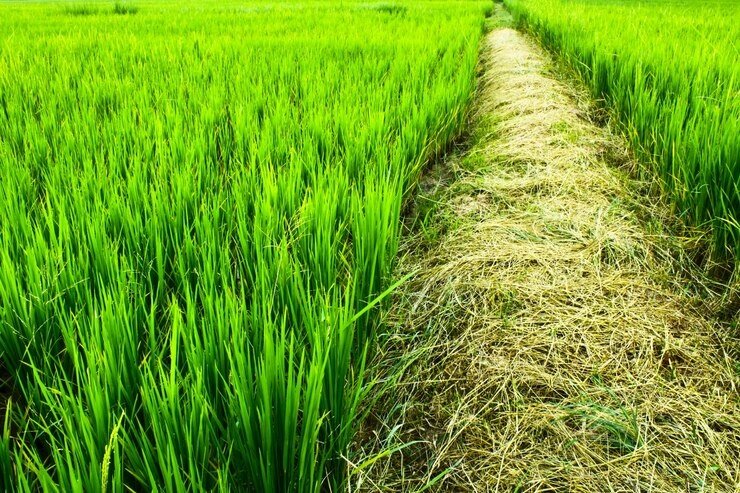
While the sowing area for Kharif crops—which fluctuated on a weekly basis—has now reached levels very close to the five-year average, crop conditions in many regions are neither encouraging nor satisfactory due to the impact of the El Niño weather cycle and a weak monsoon. Rainfall during the current month could have acted as a lifeline for late-sown crops, but precipitation levels have been poor.
The withdrawal phase of the Southwest Monsoon from the country has now begun; if the monsoon brings a spell of rain during its departure, Kharif crops could receive a much-needed boost. There is an urgent need for heavy rainfall across all South Indian states, while parts of Maharashtra, Gujarat, and Rajasthan have also lacked adequate rain for an extended period, heightening farmers' concerns.
The total area under Kharif crops is trailing last year's figures by 1.505 million hectares, primarily due to a decline in paddy cultivation, which has seen a reduction of 1.664 million hectares. Maize sowing is also lagging by 0.212 million hectares. Among pulses, with the exception of *Moong* (green gram), the acreage for other crops—such as *Urad* (black gram), *Tur* (pigeon pea), and *Moth* (dew bean)—has surpassed last year's levels.
Among coarse cereals, the sowing area for *Jowar* (sorghum) and *Bajra* (pearl millet) has shown significant growth. In the oilseeds category, the area under sesame and sunflower has increased, whereas the acreage for soybean, groundnut, and castor has declined. Similarly, the area under industrial crops like cotton and sugarcane has also decreased. Overall, while the sowing situation remains normal, concerns regarding production persist given the prevailing weather and monsoon conditions.
