
MSP Promise Insufficient to Raise Pulse Production
24-Nov-2025 06:16 PM
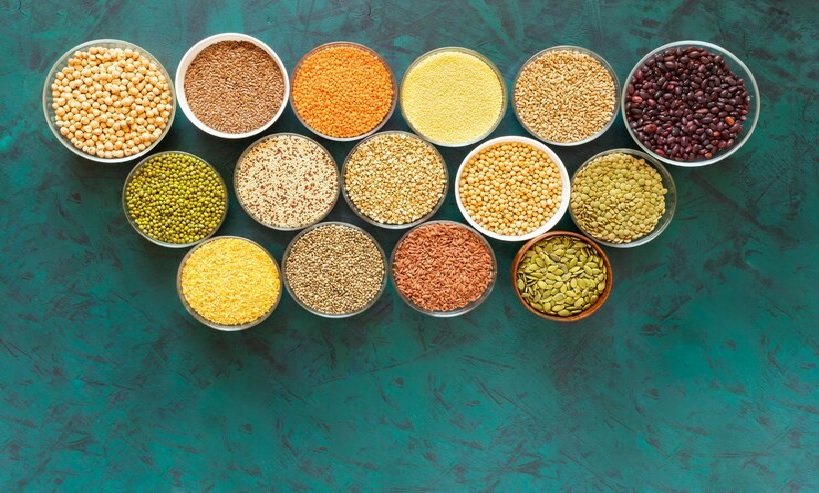
New Delhi. Although the Indian government has set an ambitious target of increasing domestic production to 35 million tons by the 2030-31 season, planning to make the country self-sufficient in pulses over the next five years, and has initiated vigorous efforts to achieve this goal,
the industry and business sector argues that the government's responsibility should not be limited to procuring only a few pulses.
It is noteworthy that the central government has already announced that all quantities of tur, urad, and masoor arriving at government procurement centers will be procured at the minimum support price (MSP).
The government has launched a mission to achieve self-sufficiency in pulses, and efforts will be made to increase production through this.
This is a good initiative and can significantly help increase pulse production. However, the pulse crop in India faces several challenges.
The most significant constraint is weather-related. Most pulse crops are cultivated in rain-fed areas, and therefore, are directly affected by monsoon rains.
The government has projected a production of just over 25.6 million tons for the entire 2024-25 season, which means that production will need to increase by approximately 10 million tons over the next five years to achieve the target of 35 million tons.
This is a challenging task, requiring concerted efforts from all stakeholders. India produces approximately 27 percent of the world's pulses, yet imports between 5 and 7 million tons, representing more than 20 percent of total domestic production.