
Pulses Mission Faces Rising Weather-Related Challenges
24-Nov-2025 02:00 PM
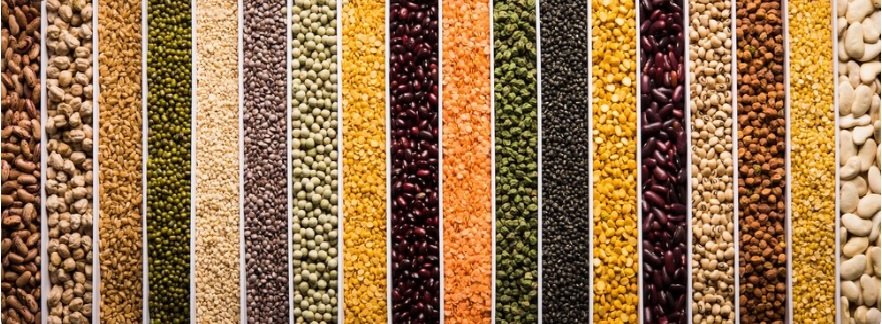
New Delhi. The Government of India has launched the Pulses Self-Sufficiency Mission with the aim of making the country self-sufficient in pulses by the 2030-31 season. Under this initiative, the government has set a target of increasing domestic pulse production to 35 million tonnes in the next five years.
This is beneficial from both strategic and nutritional security perspectives, but achieving this ambitious goal will not be easy. The Pulses Mission will face numerous challenges and obstacles along the way.
Maharashtra, Karnataka, Madhya Pradesh, Rajasthan, and Gujarat, along with other major pulse-producing states, are experiencing rapid changes in weather and climate, making crops vulnerable to various natural disasters.
Extremely heavy unseasonal rains in the Vidarbha and Marathwada divisions of Maharashtra severely damaged the Kharif pulse crops, especially the pigeon pea (tuvar). Maharashtra is a leading producer of tuvar.
Tur is considered the most important pulse crop of the Kharif season and will play a significant role in achieving the goal of self-sufficiency in pulse production at the national level. Unfortunately, its production is declining instead of increasing.
The government's policy vision is lofty, but the reality on the ground appears to be completely different.
Serious efforts are needed to increase pulse production in rain-fed areas of the country. Although the central government has pledged to purchase 100% of the stock of tur, urad, and lentil from farmers and that farmers will receive the minimum support price (MSP),
producers are not very enthusiastic because they do not receive adequate compensation for the losses of pulse crops due to various natural disasters.
In many parts of Maharashtra, torrential rains and severe floods left fields flooded for long periods, almost completely destroying the tur crop. The challenge there is not so much purchasing pulses at the minimum support price, but rather saving the survival and morale of farmers.