
Rice being sent from Punjab to other states should be re-tested
18-Nov-2024 11:02 AM
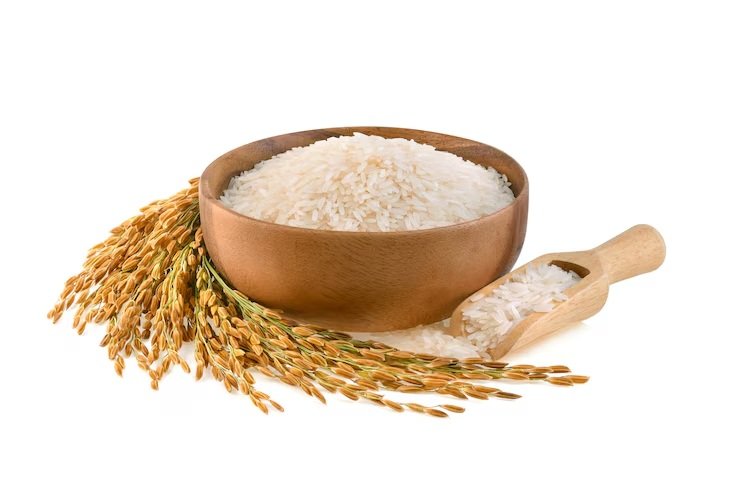
Rice being sent from Punjab to other states should be re-tested
The recent issue involving rice sent from Punjab to various states, including Nagaland, Karnataka, Assam, and Arunachal Pradesh, highlights a serious concern regarding food safety and quality control. Here are the key details of the situation:
Unfit Rice: A portion of rice sent to multiple states was found to be "unfit for human consumption" due to insect infestation. This discovery came after quality tests conducted on November 12 and 13, which revealed that approximately 23,097 quintals of rice, dispatched in 18 wagons, had been infested.
Fortified Rice Below Standard: In addition to the infestation issue, some samples of fortified rice (which is enriched with nutrients) were found to be substandard. This raises questions about the efficacy of the fortification process and its impact on food safety.
Ministry's Response: The Ministry of Consumer Affairs, Food and Public Distribution took swift action by writing to the Food Corporation of India (FCI) on November 13. The ministry directed FCI to conduct thorough checks on rice quality before dispatching it and to investigate poor storage conditions, which could contribute to the contamination.
Focus on Storage Conditions: The ministry has specifically asked for an investigation into the quality of rice stored in FCI districts in Sangrur, Jalandhar, and Nabha in Punjab. Poor storage practices, such as improper handling and inadequate storage facilities, may be a factor in the spoilage and contamination of the rice.
FCI’s Response: In light of these findings, the FCI has instructed its regional teams to re-test the quality of rice before it is dispatched to other states, ensuring that only rice that meets safety standards is delivered to consumers.
Implications:
Food Safety: This situation underscores the importance of rigorous quality control and inspection in the food supply chain, especially when large quantities of food are being distributed across the country.
Impact on Public Health: Rice is a staple food for millions of people in India, and substandard or contaminated rice poses a significant public health risk.
Accountability: There is a growing call for accountability in food storage and distribution practices, as the integrity of food quality is essential for ensuring the health and well-being of consumers.
It will be crucial for the authorities to not only address the current issue but also implement long-term solutions to prevent such incidents from happening again, including improving storage infrastructure and enhancing oversight of food safety protocols.