
The ban on export of non-basmati white rice will remain in place for some time
18-Jul-2024 04:23 PM
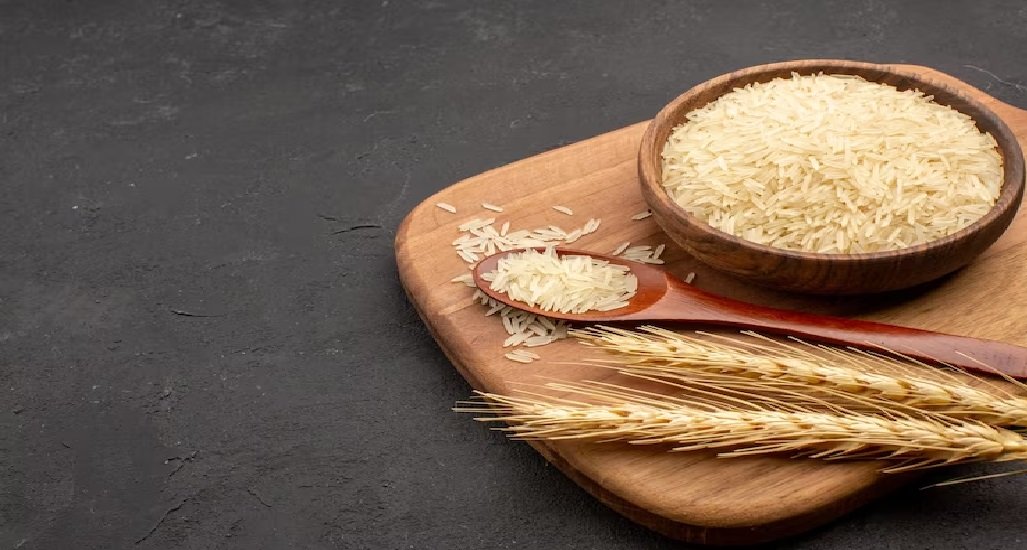
New Delhi. Although there were reports of a committee of senior ministers discussing the rice export policy as there is sufficient surplus stock of this important food grain in the central pool, which will not cause any difficulty in ensuring internal food security,
but informed sources say that it will be difficult to take any decision right now on lifting the ban on commercial export of non-basmati white rice and broken rice.
The price of rice in the domestic sector has remained stable at a high level in a certain range and the production area of paddy is also ahead of 2023 only, while it is lagging far behind in comparison to 2022 and 2021.
The government can wait till the picture of its final area becomes clear. The average normal area of Kharif paddy has been estimated to be around 401 lakh hectares this time, while by July 15, 2024, its production area has reached close to 116 lakh hectares.
In the same period of the year 2022, the area under paddy cultivation had reached 129 lakh hectares and in the year 2021 it had reached 156 lakh hectares. In the year 2023, due to less monsoon rains, the area under paddy production could reach only around 96 lakh hectares.
Efforts are being made to reduce the huge stock of rice available in the central pool, but due to the control of the rules and provisions of the World Trade Organization (WTO), this rice cannot be allocated to traders for export purposes.
It can be exported from government to government, but its pace is seen to be very slow. The stock of government rice will have to be sold in the domestic division under various posts.
The government has also announced to sell rice along with wheat under the open market sale scheme.
Apart from this, rice is being retailed at a fixed price by some government agencies under the name Bharat Brand. But this scheme is not effective in reducing the huge stock.