
The Threat of El Niño to Kharif Rice Cultivation
23-Apr-2026 05:36 PM
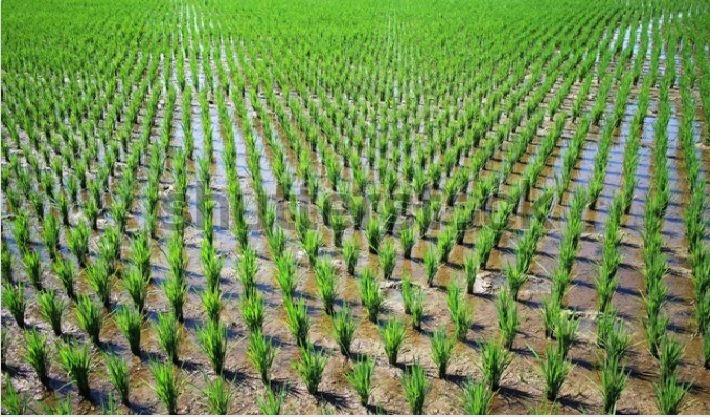
New Delhi. Temperatures have begun to rise rapidly across most parts of the country, and several regions are witnessing a severe outbreak of intense hot winds—or heatwaves (known locally as *Loo*). Consequently, moisture is evaporating rapidly from the soil in agricultural fields, causing cracks to begin forming in the earth. A report published by two specialized agencies of the United Nations states that monsoon conditions in India may remain weak this year, which could adversely impact the cultivation and growth of Kharif crops, including rice. India is the world's largest exporter of rice.
According to a joint report by two UN specialized agencies—the Food and Agriculture Organization (FAO) and the World Meteorological Organization (WMO)—this year could pose a severe crisis for rice production in India, potentially heightening the threat to the livelihoods of agricultural laborers. Furthermore, the Indo-Gangetic Plains region is projected to remain at the highest risk of extreme heat in the future as well.
India is the world's leading exporter and producer of rice, and this vital food grain is consumed domestically in massive quantities. Approximately 80–85 percent of the country's rice production takes place during the Kharif, or monsoon, season. According to the report, India experienced scorching heat across various states in 2022, marked by an extraordinary surge in both maximum and minimum temperatures.
As a result, the production of major agricultural crops—as well as fruits, vegetables, and horticultural produce—was severely affected in several states, including Punjab, Haryana, Rajasthan, Uttar Pradesh, Madhya Pradesh, Bihar, and Maharashtra. Monsoon rainfall is expected to be lower than usual during the current year.