Home News
14-Nov-2026 11:13 AM
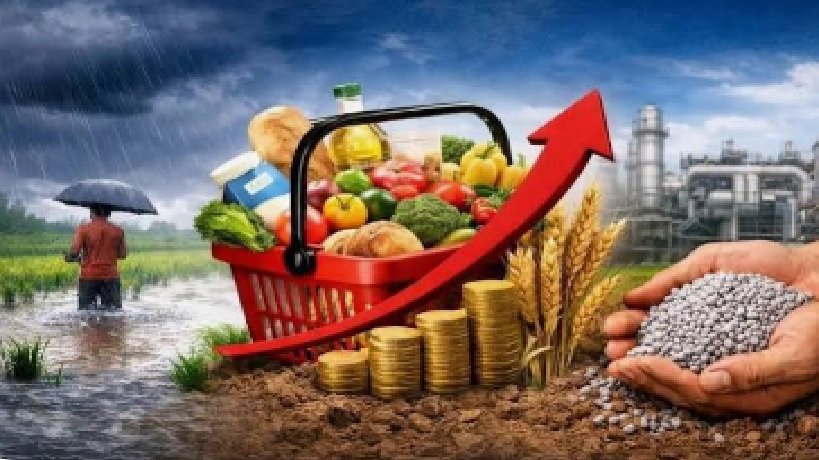
The prospect of a decline in production during the Kharif season, coupled with a slow pace of sowing for Rabi crops, is beginning to have a significant psychological impact on the domestic food market. Prices of key food commodities are showing an upward trend and firming up.
While the prices of sugar, edible oils, and spices remain high, the recent surge in the prices of pulses has further compounded the difficulties faced by ordinary consumers and heightened the government's concerns. Interestingly, it is claimed that government warehouses hold a record stock of 3.8 million tonnes (38 lakh tonnes) of pulses—exceeding the mandated buffer stock of 3.5 million tonnes (35 lakh tonnes) by 0.3 million tonnes (3 lakh tonnes)—yet market prices remain high and continue to climb.
Imports of pulses from abroad are seeing a substantial increase, and pulses are being regularly released from government stocks. The government suspects the hoarding of pulses; the Tamil Nadu government has already imposed storage limits on *tur* (pigeon pea) and *urad* (black gram). Imports of pulses are significantly higher than they were last year.
To ensure smoother supply and availability, and to curb the rise in prices, the government may consider implementing certain precautionary measures. Due to severe drought in states like Maharashtra and Karnataka, a sharp decline in *tur* production is anticipated.
The pace of Rabi crop sowing is slow, and many states are experiencing a lack of soil moisture. This is expected to negatively affect average yields and total production.
The pace of Rabi crop sowing is slow, and many states are experiencing a lack of soil moisture. This is expected to negatively affect average yields and total production. In October 2026, food inflation climbed to a recent peak of 8.94 percent, further intensifying the government's concerns. Meanwhile, the price of mustard oil is reaching new record highs. The risk of food inflation may persist for the next few months.