
There will be huge saving of water if the area of other crops is increased instead of paddy.
17-Sep-2024 04:19 PM
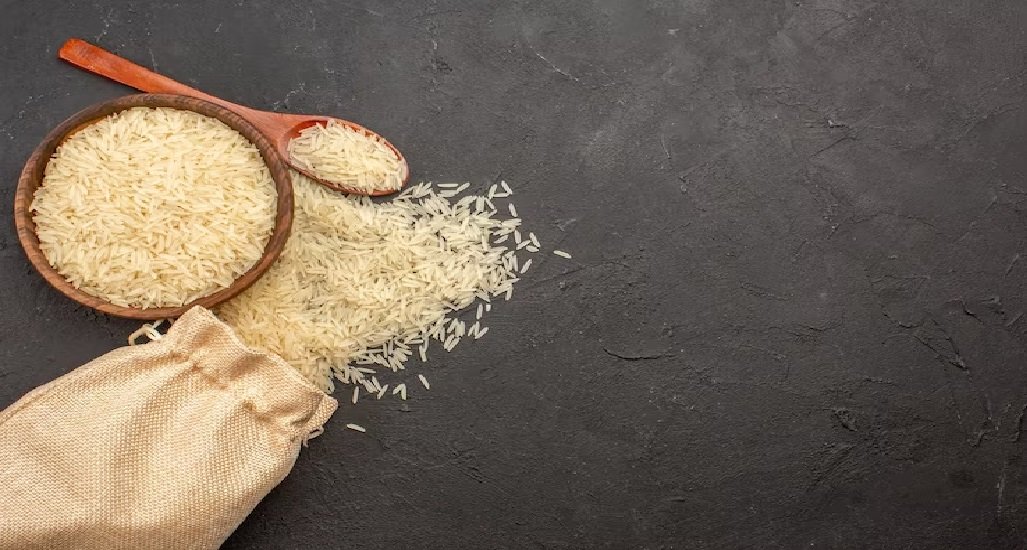
New Delhi. Agricultural experts say that if the area of paddy production is reduced and the area of sowing of pulses, oilseeds and coarse grains is increased, then there will be huge saving of groundwater and underground water and it will be very helpful in overcoming the crisis of water shortage especially in the northern states.
According to experts, if the area of paddy is reduced by 40 percent and other crops are cultivated in it, then there will be no shortage of water.
In northern India, 60 to 100 cubic km of water has disappeared since the year 2000, which can be recovered by reducing the area of paddy.
Earlier paddy cultivation was mostly done in rain-dependent areas, but now irrigation facilities are available in most of the areas.
It is worth noting that paddy crop requires the most water. If proper attention is not given to this in time, then 13 to 43 cubic km of water can be wasted. Agricultural scientists, experts and researchers have suggested gradual reduction in paddy production area and increased coverage of high yielding varieties to prevent decline in production.
There is dire need to implement these measures on a large scale in states like Punjab and Haryana as water level is rapidly declining there.
The effect of climate change and global warming can worsen the situation in the coming years. This can pose a serious threat to water security and food security.
At present, the level of global warming is 1.5-3.0 degrees Celsius and under this, 13 to 43 cubic km of water is likely to be saved, whereas 61 to 108 cubic km of water can be saved if there is a 37 percent reduction in paddy area.
India is a very large country and adequate production of paddy rice is necessary for its food security. Apart from this, India also remains the largest exporter of rice in the world and it is important to maintain this position.
In such a situation, reducing paddy cultivation area by 35-40 per cent is a very difficult and challenging task.