
Threat to Rice Production in Asia Due to Fuel and Fertilizer Crisis
13-Apr-2026 04:46 PM
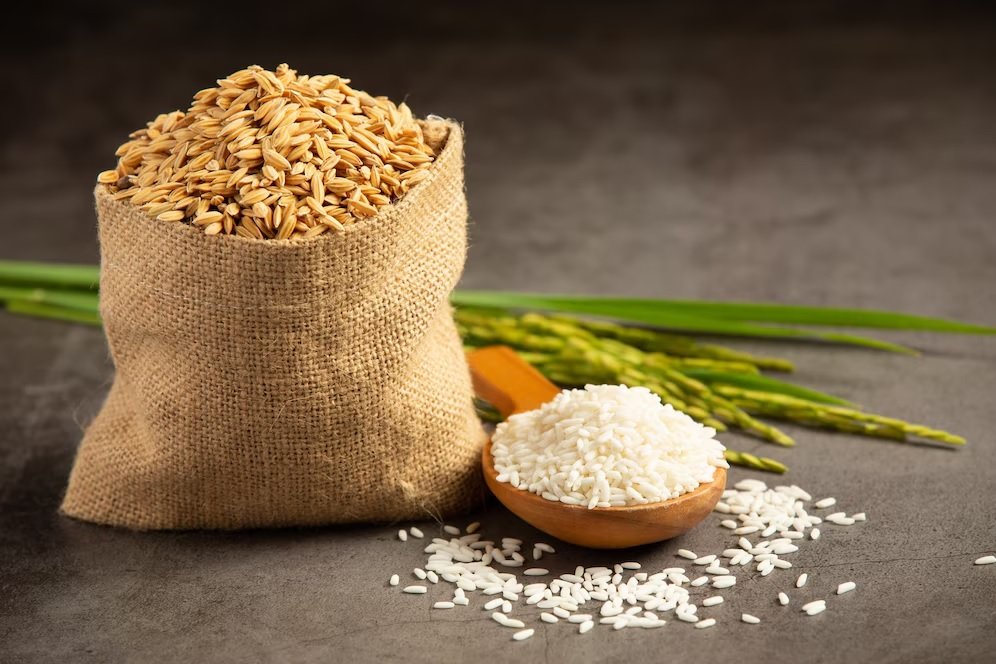
Bangkok: In several rice-producing countries across Asia, the harvesting and post-harvest preparation of paddy crops has either been completed or is at its final stage. Fields are now lying vacant, and farmers remain uncertain about their next crop decisions. In India, paddy transplantation is expected to begin in June–July.
Meanwhile, farmers in key producing countries such as Thailand, Vietnam, Cambodia, Myanmar, and Indonesia are facing a severe shortage of fuel and fertilizers. Due to this, they are unsure whether to continue with paddy cultivation or shift to alternative crops.
The crisis in the Middle East is once again intensifying. Peace talks between Iran and the United States have failed, leading to renewed tensions and competing claims over the Strait of Hormuz. The situation remains uncertain, and crude oil prices have started rising. This has disrupted fertilizer imports and exports, significantly increasing shipping costs and adding to farmers’ concerns.
South Asia and Southeast/East Asia (including China) account for the largest share of global rice production. However, millions of small farmers in these regions are struggling to access agricultural inputs at affordable prices. Diesel shortages are affecting the operation of tractors, irrigation pumps, and rice planters. In Thailand, many farmers have even left paddy crops unharvested in the fields due to the high cost of harvesting.
The crisis is far from over, and the Strait of Hormuz has not yet been fully reopened. Although a temporary ceasefire is in place, tensions could escalate again at any time. Indian farmers are also increasingly worried about the situation.