
Tur, Urad Prices Seen Stable with Duty-Free Imports
27-Dec-2025 01:35 PM
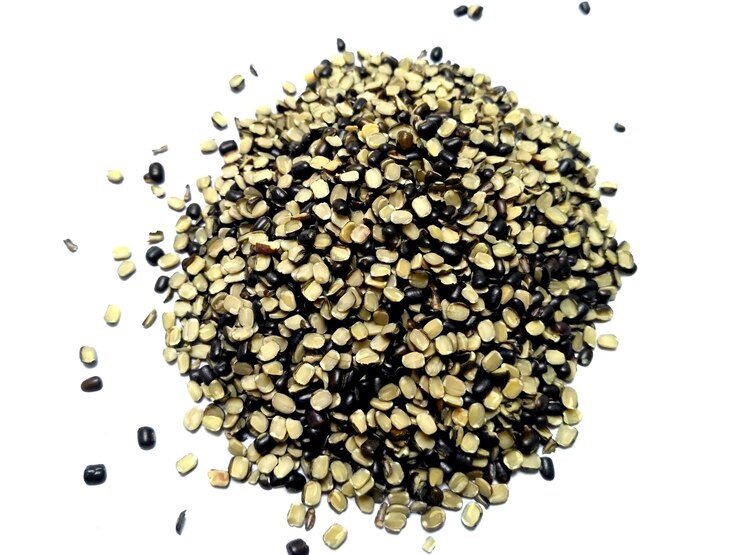
Mumbai: The deadline for duty-free imports of two important pulses – pigeon pea (tur) and black gram (urad) – is currently set for March 31, 2026, but it appears the government may decide to extend it.
If duty-free imports continue during the next financial year, the likelihood of significant price fluctuations in pulses may diminish. This year, the production of tur and urad is once again expected to be less than domestic demand and consumption, so the need for imports from abroad will continue. Global market prices are currently soft.
India primarily imports urad from Myanmar and Brazil, and tur from Myanmar and African countries (Tanzania, Mozambique, and Malawi, etc.).
Trade analysts say that with domestic production remaining almost the same as last year and the continuation of duty-free imports from abroad, the supply and availability of tur and urad in the domestic market will remain largely smooth, which could lead to price stability.
According to analysts, there might be a slight increase in the prices of pulses during the initial months of 2026, but the intensity will not be significant. If prices rise in the supplying countries, then import costs could increase.
When the off-season for tur supply begins in African countries, Indian importers will focus on tur from Myanmar, and Myanmar may then raise prices to take advantage of the situation.
According to a leading trade organization, the India Pulses and Grains Association (IPGA), the period for duty-free imports of tur and urad is likely to be extended for another year beyond March 31, 2026.
There is a clear reason for this. Since domestic production is insufficient, the need for imports will continue. The government does not want a sharp increase in the domestic market prices of pulses, as this could increase the difficulties for ordinary consumers.
Urad bean production in India has been declining since the 2021-22 season. The government has projected a further 10 percent decrease in production to 1.2 million tonnes in the 2025-26 Kharif season.
A 10 percent import duty is currently levied on chickpeas and lentils, and it seems unlikely that there will be any change in this in the near future.