
Water Levels Continue to Decline in Dams and Reservoirs
19-Jun-2026 11:00 AM
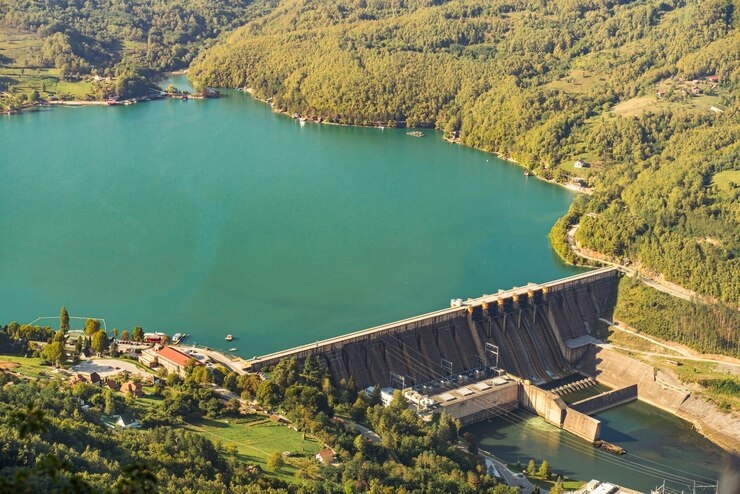
New Delhi. Water levels in 166 major dams and reservoirs across the country are steadily declining due to a lack of Southwest Monsoon rainfall and high temperatures. According to a report by the Central Water Commission, the water stock in these dams and reservoirs stood at just 50.457 billion cubic meters (BCM) on June 18, 2026—merely 27.19 percent of their total storage capacity. While this water level was 13.4 percentage points lower than the previous year, it remained 12 percentage points above the ten-year average. The Meteorological Department has now issued rainfall alerts for 17 states, which could lead to an improvement in water levels.
Commission data reveals that dams in the Northern region hold 6.58 BCM of water, representing 33.2 percent of their total storage capacity. During the same period last year, these reservoirs held 29.2 percent of their capacity. Reservoirs in Punjab, Rajasthan, and Himachal Pradesh are included in the Northern region category.
Water stocks in the eastern part of the country have dropped to worrying levels, a matter of concern given the large-scale paddy cultivation that takes place there during the Kharif season; paddy crops require significant amounts of water.
Water stocks in Eastern region reservoirs have fallen to 4.55 BCM—20.9 percent of total capacity—which is lower than the 23.5 percent recorded during the same period last year. States in the Eastern region with reservoirs included in this list are Assam, Meghalaya, Tripura, Odisha, West Bengal, Bihar, Jharkhand, and Nagaland.
The performance of the Southwest Monsoon remained quite weak up to June 17, with the country receiving 40 percent less rainfall than the normal average. In some states, the rainfall deficit reached as high as 75 percent. Monsoon rainfall is expected to be below normal this year due to the impact of El Niño.