
Wheat – What's Next?
28-May-2025 10:24 AM
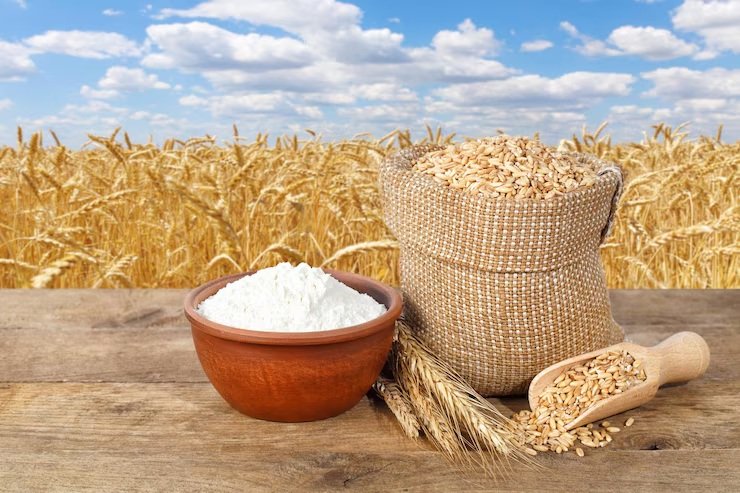
Wheat – What's Next?
Production and Procurement:
★ This year, the country has seen a bumper wheat crop, with production estimated to reach 117 million tonnes.
★ Government agencies have procured over 29.7 million tonnes, which is considered "satisfactory."
~~~~~~~~~~
Stock Status:
★ A portion of the wheat is still held by large farmers, while millers, traders, and stockists have also made substantial purchases.
★ In the previous OMSS (Open Market Sale Scheme), strict rules prevented many mills from purchasing wheat.
★ However, this time, due to robust arrivals in mandis, millers have stocked up significantly.
★ The government’s online stock portal has shown a significant increase in reported stock levels.
~~~~~~~~~
★ Rising Prices: Wheat prices have steadily increased during the arrival period.
Delhi: From Rs. 2,610 on April 7 to Rs. 2,760 by May 27
Shahjahanpur: From Rs. 2,471 to Rs. 2,571
★ Bulandshahr: From Rs. 2,370 to Rs. 2,550In 50 days, prices rose Rs. 150 in Delhi, Rs. 100 in Shahjahanpur, and Rs. 180 in Bulandshahr per quintal.
~~~~~~~
Madhya Pradesh vs Uttar Pradesh:
★ Due to higher prices in Madhya Pradesh, demand for wheat from Uttar Pradesh has risen significantly.
~~~~~~~~~
Rising Central Pool Stocks:
★ On May 1, the central pool stock was 26 million tonnes, which increased to 36.9 million tonnes by May 22.
★ Compared to last year, the stock as of May 22 is 10.9 million tonnes higher.
★ This increase indicates strong government procurement and robust demand.
~~~~~~~~~~
What Lies Ahead?
★ Possible Government Intervention:
★ According to i-Grain India, the government may soon take steps to control prices and ensure availability.
★ Based on stock data, a stock limit may be imposed to bring private stocks into the market.
★ First, stock limits would be implemented, followed by sales through OMSS if necessary.
~~~~~~~~~
Market Outlook:
★ i-Grain anticipates a slight correction (a modest decline in prices).
★ Afterward, the market may stabilize, though future price trends will depend on government policies.
~~~~~~~
Conclusion:
★ Despite a bumper harvest and adequate government procurement, demand remains strong, resulting in rising prices.Given the potential for government intervention, the next few weeks will be crucial for the wheat market.