
Adverse Weather May Raise Risks for Rabi Crops
17-Sep-2025 05:55 PM
New Delhi. This year, the return of the La Niña weather cycle is expected during the winter months, leading to severe cold weather. This is expected to adversely impact the progress of Rabi crops.
The Indian Council of Agricultural Research (ICAR) will assess the extent of the risk to Rabi crops from the unusual cold. In fact, heavy rainfall in various states during the southwest monsoon season may maintain high levels of moisture in the atmosphere in the coming months, significantly increasing the cold.
ICAR will conduct a comprehensive study and analysis of the potential adverse impact of weather on various crops in different regions.
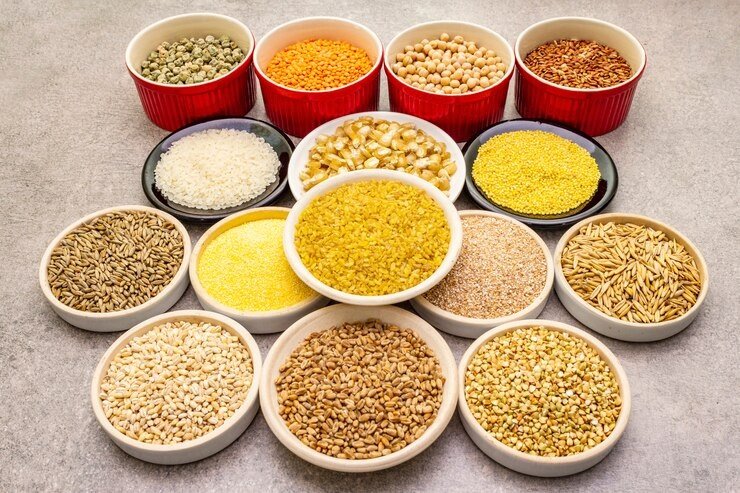
This is necessary and important because approximately 45 percent of the country's food grains are produced during the Rabi season, including wheat, barley, gram, lentils, and maize.
The Director General of ICAR and Secretary of the Department of Agricultural Research and Education stated that there is information suggesting that this year's winter season may be colder than normal, and therefore, the Council has planned to conduct a large-scale study and analysis of the impact of extreme cold on major crops in different regions.
Meanwhile, the Director General of the India Meteorological Department (IMD) stated that while the arrival of the La Niña weather cycle is likely this year, a more reliable and definitive analysis will be available by the end of October.
Sowing of Rabi crops begins in October and continues until approximately mid-February. Most sowing occurs in the October-December quarter. Preparations for harvesting Rabi crops gain momentum in March and April.
During 2024-25, Rabi crops, including paddy, were cultivated on over 66.1 million hectares in the country. Rabi crops play a significant role in ensuring national food security, and therefore, their production needs to be monitored closely.