
Ajwain production - Gujarat more: Andhra Pradesh less
07-Feb-2025 07:05 PM
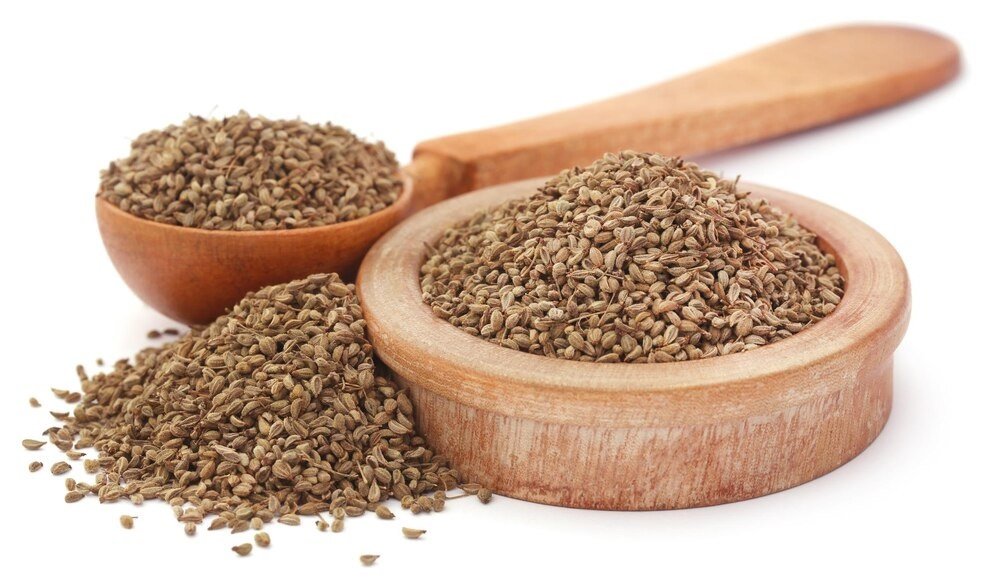
The report highlights the production and market dynamics of ajwain (carom seeds) in India, focusing on key producing states like Gujarat, Andhra Pradesh, Madhya Pradesh, and Rajasthan.
Key Points:
Gujarat's Dominance in Production:
- Gujarat is the major producer of ajwain, with two crops annually—autumn and summer. This year, both crops are expected to perform better than last year.
- Autumn crop production in Gujarat is expected to rise significantly from 70/80 thousand bags to about 1 crore bags.
- The summer crop of ajwain, which starts in April, is also anticipated to exceed last year's production of 3.5/4 lakh bags, provided favorable weather conditions.
Decline in Andhra Pradesh Production:
- Andhra Pradesh has experienced a decline in ajwain production for the second consecutive year.
- Production dropped from 2/2.25 lakh bags in 2023 to an estimated 1.60/1.70 lakh bags in 2024, with further reduction expected to 1.40/1.50 lakh bags.
Madhya Pradesh and Rajasthan:
- Both states are expected to have similar production levels as last year, with about 70/80 thousand bags expected from each.
- There is also some production from Nandurbar in Maharashtra (15/20 thousand bags).
Market Arrivals and Prices:
- Currently, new ajwain is arriving in markets, with Jamnagar in Gujarat seeing about 2,000 bags arriving at Rs 120/230 per kg depending on quality.
- Other markets, like Neemuch Mandi in Madhya Pradesh and Kurnool in Andhra Pradesh, are also seeing arrivals with similar price ranges.
- Prices have fallen by Rs 15/20 per kg as more new ajwain enters the market. No price increase is expected in the short term due to the ongoing arrivals.
Market Outlook:
- The current prices are likely to stabilize or decrease further by Rs 5/10 per kg in the short term.
- Prices are expected to rise again around June-July, once the new summer crop from Gujarat begins to hit the markets.
Conclusion:
The overall supply of ajwain appears robust in Gujarat, though the production in Andhra Pradesh remains a concern due to consecutive reductions. Despite the current drop in prices, a price rebound is expected later in the year.