
Canada Faces Major Challenge Exporting Large Pulse Stocks
11-Sep-2025 06:30 PM
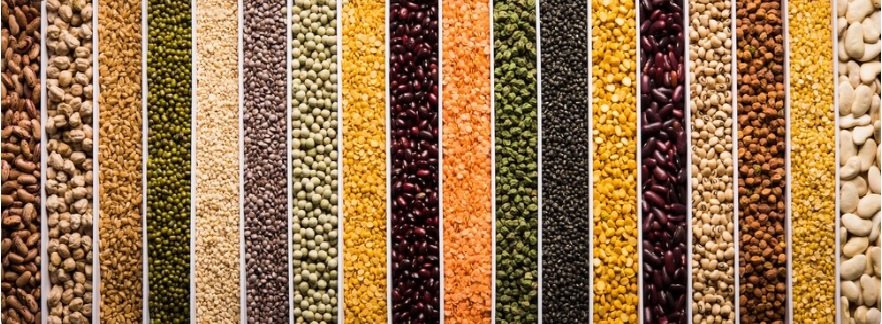
Ottawa. In Canada, a leading producer and exporter of pulses, the total production of pulses is expected to be better than last year due to increase in the sowing area of peas, lentils and chickpeas during the current year and improvement in the average yield rate with the help of favorable weather,
but the conditions in the international market are not favorable for its great export. China and India are the two major buyers of Canadian peas, but Canada's export performance in both these markets is likely to remain weak in the current marketing season (August-July) of 2025-26.
Similarly, the import of lentils from Canada to India and Turkey may be relatively less because the price of pulses in India is not very high and the supply of lentils is expected to increase from the neighboring countries of Central Asia in Turkey.
The production of pulses in Canada is expected to be better than the expectations of the industry-trade sector. Along with this, there is a good amount of backlog of pulses which will increase its total supply and availability. On the other hand, there are chances of better production of peas in Russia and lentils in Australia.
This will increase the challenge and competition for the pulse exporters of Canada in the international export market. The data of the government agency - StatsCan shows that this time the stock of pulses in Canada will increase and reach the highest level in the last many years.
Another problem facing Canada is the quality of pulses which is being closely monitored. There, the harvesting of lentil and pea crops is moving towards the final stage.
Most of the reports say that the unseasonal rain in the initial stage of harvesting delayed the harvesting and the quality was partially affected.
Although the situation started improving after that, the details of the actual condition will be known only when the harvesting of the crop is completely over.
According to StatsCan, pea production in Canada may increase by 13.7% compared to last year and may reach 34 lakh tons this time in which yellow peas will contribute 28 lakh tons and green peas will contribute 6-7 lakh tons. This is the estimate of castor while the final production figure may be even higher than this.