
Challenges Persist in Pulses and Oilseeds Production
05-Jan-2026 12:37 PM
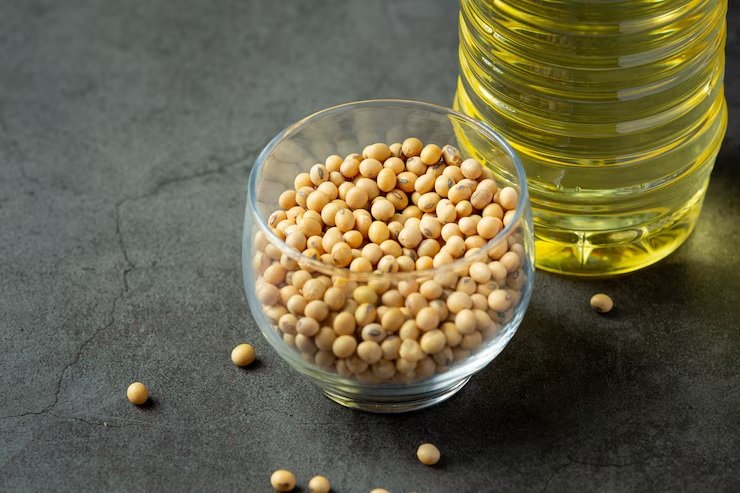
New Delhi. Based on data, India is the world's leading producer of pulses and the fifth largest producer of oilseeds.
However, due to domestic demand and requirements far exceeding production, it remains the largest importer of pulses and edible oils. India spends billions of dollars annually on these imports, putting a strain on the national economy.
Farmers in India face numerous challenges and problems in cultivating pulse and oilseed crops. The Union Agriculture Minister has expressed serious concern over this, stating that while significant progress has been made in the production of other commodities, much more attention is needed to increase the yield of pulse and oilseed crops.
The average yield per hectare of pulses and oilseeds in the country is quite low, and soybean, in particular, is emerging as a challenging crop.
The area under cultivation for this important oilseed crop has declined significantly as many traditional producers have shifted to crops like maize.
During the 2023-24 season, domestic production of edible oils was recorded at 121.80 lakh tonnes, but this met only 44 percent of the total demand and requirement.
The remaining 56 percent of edible oil needs were met through imports. However, dependence on imported edible oils decreased from 63.20 percent in the 2015-16 season to 56.25 percent in 2023-24. After remaining slow for a few years, pulse imports have started increasing again.
In the financial year 2024-25, it surged to an all-time high. A significant decline is expected in 2025-26, but the import level will still remain high.
The government is making vigorous efforts to encourage farmers to cultivate oilseed and pulse crops.
Recently, the government released six new improved varieties of pulses and 13 new improved varieties of oilseeds for commercial cultivation.