
Cultivation of pulses including moong is less in some places and more in others
04-Jul-2025 08:35 PM
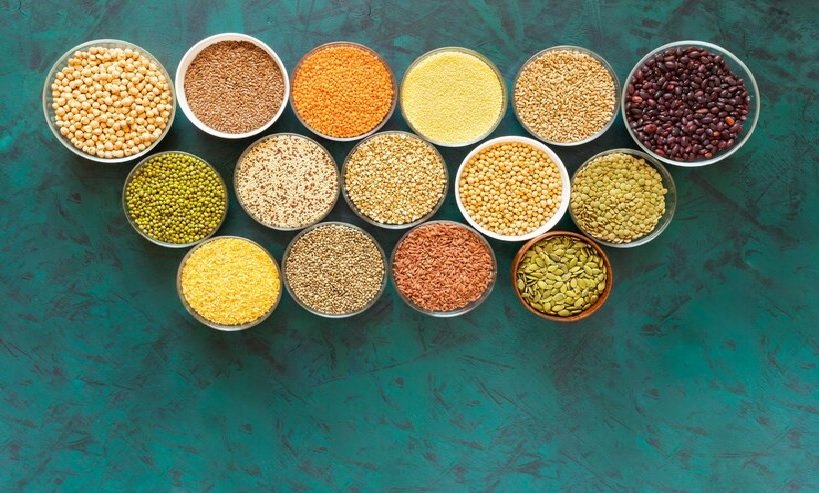
New Delhi. During the Kharif season, Tuvar, Moong, and Urad are the main pulse crops cultivated, along with some other varieties such as Moth, Chaula, and Kulthi. A mixed trend is being observed in the sowing of these pulses across various major producing states.
Compared to last year, the production area of pulses increased from 19 thousand hectares to 31 thousand hectares in Gujarat and rose sharply from 1.23 lakh hectares to 14.25 lakh hectares in Rajasthan by June 30 of the current Kharif season.
In Maharashtra, the area slightly improved from 10.33 lakh hectares to 10.58 lakh hectares, whereas in Karnataka, it declined from 14.22 lakh hectares to 12.74 lakh hectares.
Looking specifically at moong, its sowing area in Karnataka increased from 3.78 lakh hectares to 3.87 lakh hectares, in Maharashtra from 1.39 lakh hectares to 1.47 lakh hectares, and in Gujarat from 1 thousand hectares to 4 thousand hectares.
However, in Rajasthan, the most prominent producing state, the area under moong cultivation surged from 1.16 lakh hectares to 10.80 lakh hectares.
This significant increase in Rajasthan is attributed to the early and active arrival of the southwest monsoon, which allowed farmers to begin sowing well ahead of schedule.
The state also received favorable pre-monsoon rains. In contrast, last year the monsoon arrived in Rajasthan in July and was sluggish in the early phase, causing a delay in sowing activities.
As of June 30 this year, sowing in Rajasthan included 2.59 lakh hectares of Moth, 48 thousand hectares of Urad, and 37 thousand hectares of Chaula.