
Decreasing arrivals in auction centers are a symbol of decline in production of cardamom
03-Mar-2025 08:35 PM
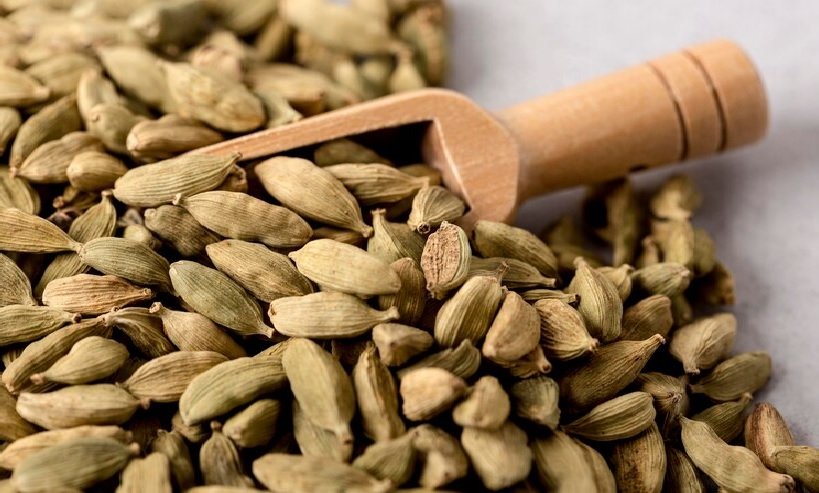
The current situation in the cardamom market paints a picture of uncertainty, primarily driven by unfavorable weather conditions and declining arrivals at auction centers.
These developments highlight the potential for a significant reduction in the domestic production of cardamom, with both Kerala and Tamil Nadu, the major producers, facing disruptions due to ongoing rains that may hinder the plucking and preparation of the crop.
Despite these challenges, the demand for cardamom remains high, especially in the Gulf countries during Ramzan, which has already begun.
However, the decreased arrivals at auction centers, such as the recent drop to just 15 tons compared to the usual 60-70 tons, suggests that there may be some supply shortages in the coming months.
Surprisingly, even with this weak supply, the average auction price of cardamom has decreased to Rs 2878 per kg, below the previous auction price of Rs 2922 per kg. This price drop may be due to weak demand from Disawari traders, who typically play a key role in the market.
Looking ahead, producers are optimistic that prices will rise as they anticipate a continued decline in production.
With producers stockpiling cardamom in anticipation of price increases, it's likely that the market will see price hikes in the coming months.
Additionally, global market factors such as weak cardamom production in Guatemala—the other major producer—are expected to further contribute to price improvements on the international stage.
Despite these challenges, India’s export performance remains strong, with expectations that it will continue to perform well in the future.
The expectation that the average auction price could rise to Rs 3200-3500 per kg due to weak domestic production and strong demand has yet to materialize, but demand may pick up in the summer months, which could lead to a price surge.
As the situation unfolds, all eyes will be on the upcoming auction trends and how both domestic and global market conditions shape the future of cardamom prices