
Difference in analysts' opinion on sowing area and production of Tuvar
30-May-2025 03:42 PM
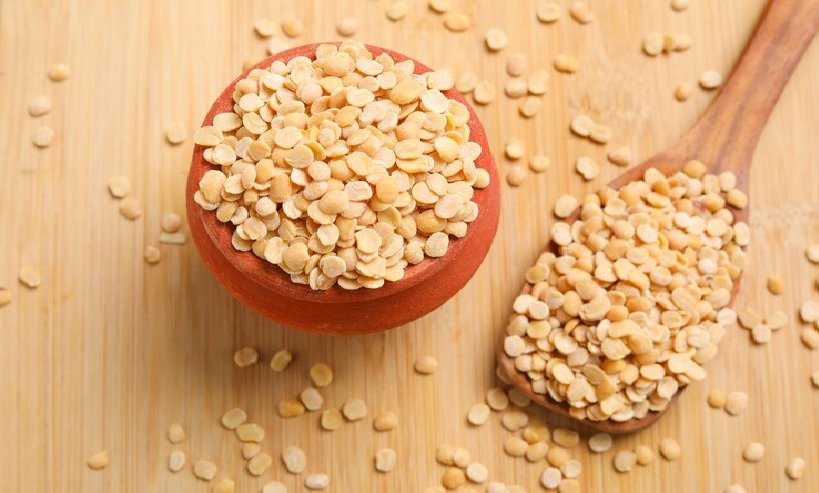
Mumbai. Analysts from the industry and trade sectors have expressed differing views regarding the expected sowing area and production of Tuvar (Arhar) for the current year compared to last year. While some expect a notable increase in both area and production, others predict a possible decline.
Tuvar is regarded as the most important pulse crop of the Kharif season. It occupies a larger area than other pulses and generally has higher production. In the 2024-25 Kharif season, the sowing area of Tuvar rose to 43 lakh hectares, up by 2 lakh hectares from 41 lakh hectares in the 2023-24 season.
According to the Union Agriculture Ministry, domestic production increased by 1.40 lakh tonnes from 34.20 lakh tonnes to 35.60 lakh tonnes during this period. However, some industry and trade experts believe the actual production might have been slightly higher.
Some trade analysts predict a further increase in the sowing area for Tuvar in the 2025-26 Kharif season. This optimism is based on several factors: the government has raised the minimum support price (MSP) by Rs 450 from Rs 7550 to Rs 8000 per quintal and reaffirmed its commitment to 100% procurement of Tuvar. Additionally, monsoon rains are expected to be favourable this year, and there is an adequate supply of quality Tuvar seeds.
The secretary of the India Pulses and Grains Association (IPGA) has stated that the significant increase in MSP could strongly encourage farmers to expand Tuvar cultivation.
With the government guaranteeing full procurement, farmers are more likely to invest in better seeds and fertilizers. Many farmers in Maharashtra have started prioritising the Charu variety of Tuvar seeds, known for its higher yield compared to the Maruti and Pink varieties.
Demand for pigeon pea seeds remains strong. According to the IPGA secretary, Tuvar production in the 2025-26 season could range between 35 to 40 lakh tonnes.