
Dissatisfaction among producers due to decrease in price of tur
07-Feb-2025 12:04 PM
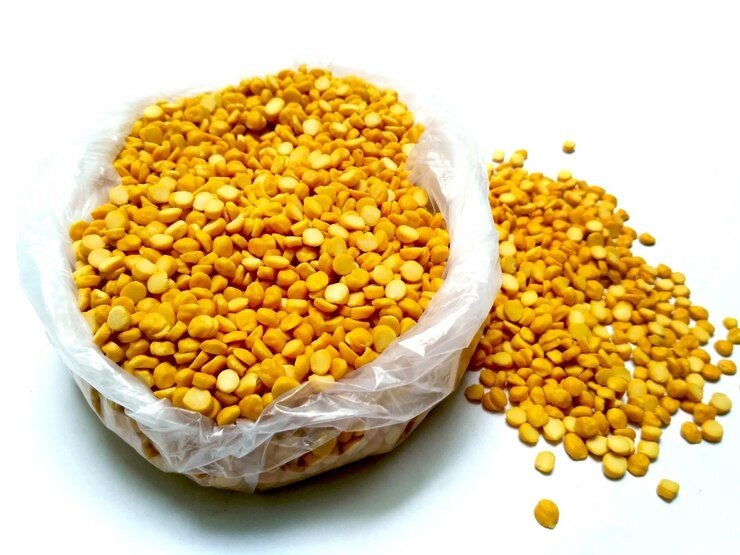
The situation described highlights a significant issue for domestic tur (arhar) producers in India, where they are facing both price reductions and challenges due to government policy.
The extension of the deadline for duty-free imports until March 2026, coupled with a strong arrival of the new crop, is contributing to an oversupply of tur in the market.
This glut is leading to prices falling below the minimum support price (MSP) of Rs 7550 per quintal in many mandis, which is deeply frustrating for farmers.
While the government's intention to ensure a stable and affordable supply of pulses to consumers is understandable, there is a need to balance this with the interests of producers.
The lack of profitable returns for tur farmers could dissuade them from continuing to grow the crop, especially given that they are already facing a lower price than last year, when the price was as high as Rs 12,000 per quintal.
With the expectation that imports will continue to rise, the government must consider how to protect the livelihood of farmers while keeping consumer prices reasonable.
If domestic producers are not incentivized to produce tur, it could have long-term consequences on India's pulse production and the agricultural sector more broadly.