
Efforts to increase the supply of fortified rice instead of CMR
20-Dec-2024 06:21 PM
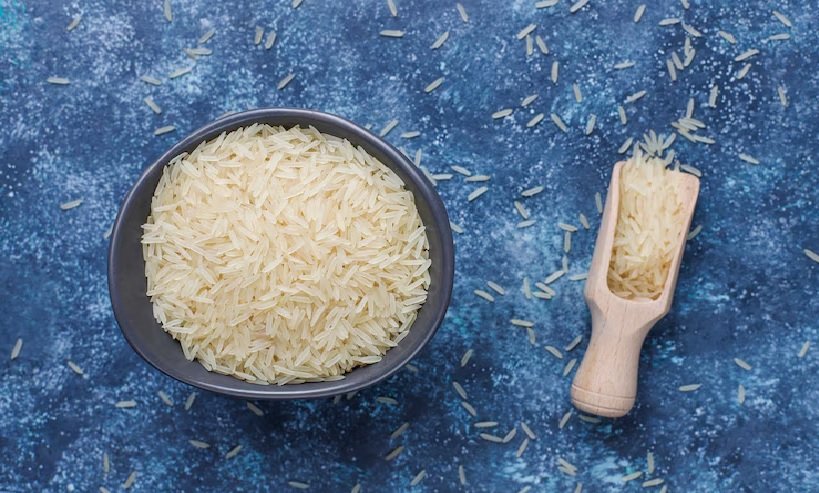
The Union Ministry of Food, Consumer Affairs, and Public Distribution has made significant strides in improving the country's food distribution systems. The ministry’s year-end review highlights key developments and initiatives aimed at improving food security and transparency.
Fortified Rice Supply: One of the key advancements is the successful implementation of the scheme for supplying fortified rice, which began in March 2024. The goal is to replace custom milled rice (CMR) with fortified rice to enhance nutritional value and combat malnutrition. By March 2024, 100% of the targeted quantity of fortified rice was lifted, indicating a successful rollout.
Digitization and Transparency: The National Food Security Act has seen the full digitization of ration cards across India, making the process of food grain distribution more transparent. Additionally, 99.8% of fair price (ration) shops are now using automated electronic point of sale (e-POS) systems, ensuring a smoother and more transparent distribution of subsidized food.
One Nation, One Ration Card: The One Nation-One Ration Card scheme has been implemented nationwide, benefiting approximately 80 crore people. This initiative allows beneficiaries to access food rations in any state, providing significant relief to migrant workers and their families.
Credit Guarantee Scheme for Farmers: The ministry is also focusing on improving post-harvest loan access through the credit guarantee scheme, which is helping farmers by allowing loans against electronic Negotiable Warehouse Receipts (e-NWR). This initiative plays an important role in increasing farmers' income.
Pradhan Mantri Garib Kalyan Anna Yojana: During the pandemic, the Pradhan Mantri Garib Kalyan Anna Yojana (PMGKAY) distributed a total of 1118 lakh tonnes of food grains in seven phases, costing around Rs 3.91 lakh crore. The scheme, which provides free food grains to over 80 crore beneficiaries, has been extended for another five years starting January 1, 2024.
Cost-Effective Distribution: Through innovations like route optimization for food grains, the ministry has managed to save foreign exchange and reduce carbon dioxide emissions, contributing to environmental sustainability.
These efforts reflect the government's commitment to enhancing food security, improving nutritional quality, and ensuring efficient and transparent distribution of food grains.