
Emphasis on the need to increase domestic production of pulses to reduce dependence on imports
03-Mar-2025 05:13 PM
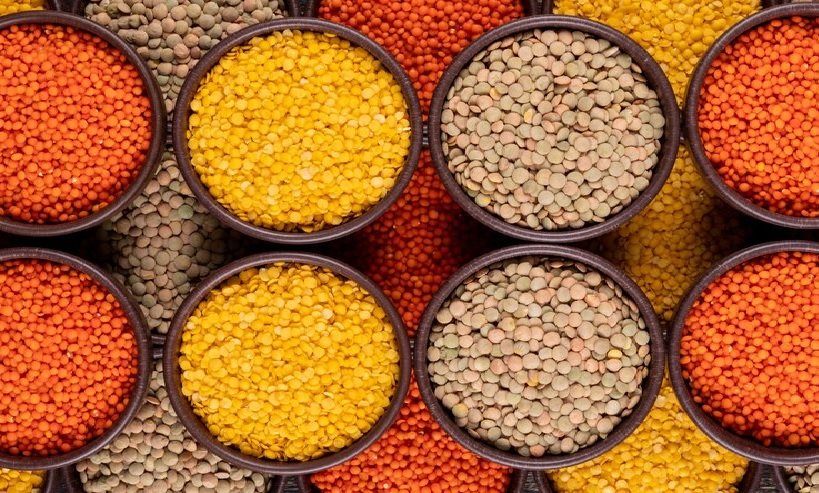
The emphasis on increasing domestic production of pulses is crucial for India to reduce its dependence on imports, conserve valuable foreign currency, and enhance food security.
While India remains the largest producer and consumer of pulses globally, its growing reliance on imports, especially in the past two years, is a pressing concern.
In 2024, imports surged to a record level of 67 lakh tonnes, including significant quantities of tuvar, urad, desi gram, and lentils, with yellow peas also seeing imports above 30 tonnes.
The Prime Minister has highlighted the urgency of addressing this imbalance by calling for greater cooperation from all stakeholders to boost domestic pulse production.
By focusing on the development of high-quality, high-yield pulse seeds and expanding crop diversification, there is potential to meet domestic demand more effectively.
Despite India’s near self-sufficiency in gram and moong, the production of other pulses like pigeon pea (tuvar), black gram, and lentils falls short of meeting domestic needs, necessitating imports to cover about 20% of consumption.
The government's vision of a "Developed India" underscores the importance of empowering farmers, who are central to the country’s agricultural sector and national development.
The Prime Minister has expressed the need to implement concrete steps, outlined in the latest budget, to increase pulse production.
By focusing on improving seed quality, enhancing cultivation techniques, and promoting nutritional food crops like pulses, India can strengthen its agricultural foundation, reduce reliance on imports, and ensure a more sustainable and self-sufficient future.