
Government directs retailers to reduce prices of pulses
23-Dec-2024 12:04 PM
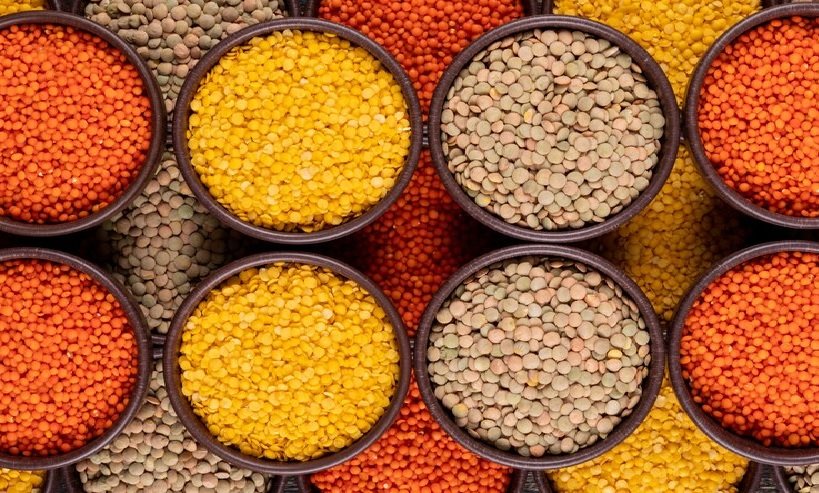
In response to the declining wholesale prices of pulses, the Indian government has instructed retailers to lower their prices accordingly.
This directive comes after a noticeable price reduction of 5 to 20 percent in the wholesale market over the last two months for pulses such as tuvar, urad, masoor, desi chana, moong, and yellow peas.
Despite these reductions, retail prices have remained high, prompting the government to intervene.
The government held discussions with representatives from the retail industry, in which they suggested reducing the retail prices of pulses by 15 to 20 percent.
They also warned that if the prices do not decrease, they might increase the availability of Bharat brand pulses in the open market. This move aims to alleviate the price disparity and ease the burden on consumers.
The drop in wholesale prices can be attributed to factors such as a strong Kharif pulse harvest and large imports of yellow peas and Desi gram.
While the price of most pulses, except for gram, is lower than last year, there has been a significant fall in the price of pigeon peas, which has dropped by 15-20 percent over the past two months.
Experts predict that the current pigeon pea crop is among the best in recent years, though harvesting may be delayed.
The price reductions in pulses have also been influenced by the availability of cheaper winter vegetables, leading to a drop in demand for higher-priced pulses.
The India Pulses and Grains Association (IPGA) reported price drops in several major pulses: 20 percent for whole pigeon peas, 10 percent for gram and yellow peas, and 5-10 percent for lentils and black gram. Even chickpeas and kidney beans have seen some price reductions.