
Government procurement of wheat affected due to high purchases by private sector
27-May-2025 04:40 PM
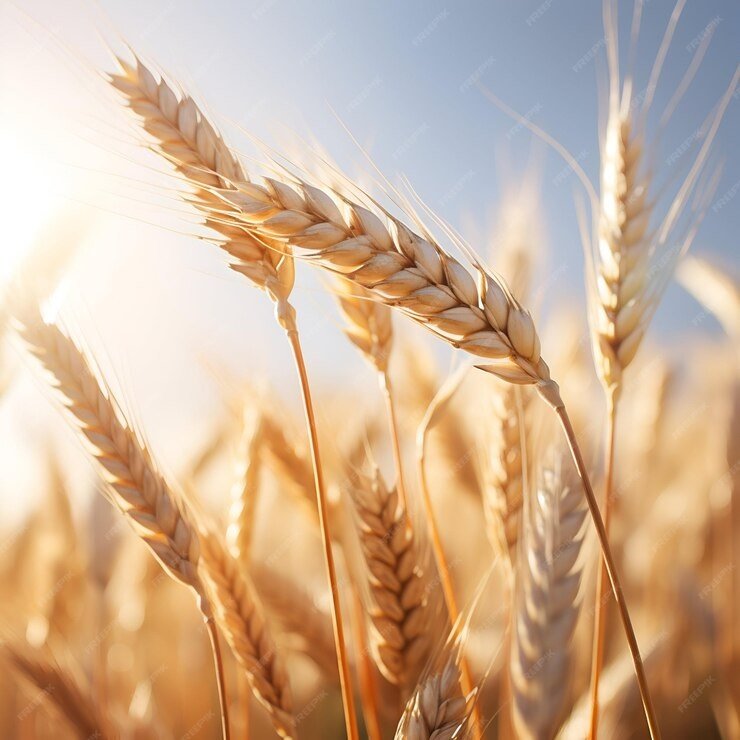
New Delhi. Although the government’s procurement of wheat in 2025 has been the highest since 2021, it still fell short of the set target due to heavy purchases by private buyers. According to official sources, similar to the past three years, this year's procurement will not meet the goal of 333 lakh tonnes.
The minimum support price (MSP) for wheat this season was set at Rs 2,425 per quintal. However, flour millers, processors, and traders purchased large quantities of wheat from farmers at rates higher than the MSP. A key factor in their success was their flexible payment model.
Private buyers offered advance financial support during the sowing period, partial payments during festivals like Diwali, and settled the remaining amount after delivery. In contrast, government agencies paid the full MSP only at the time of purchase, which made them less attractive to farmers.
According to the Union Food Secretary, government procurement of wheat is expected to reach around 300 lakh tonnes during the current Rabi marketing season.
Procurement has already concluded in major wheat-producing states like Punjab, Haryana, and Madhya Pradesh, and is in its final phase in Rajasthan and Uttar Pradesh.
Procurement in other states is either negligible or has not taken place at all. Therefore, a significant increase in procurement figures is no longer expected.
As of May 25, 2025, the government had procured slightly more than 297 lakh tonnes of wheat—about 89 percent of the revised target. This is around 12 percent higher than the 266 lakh tonnes procured last year. In comparison, wheat procurement was 262 lakh tonnes in 2023 and just 188 lakh tonnes in 2022.
The Food Secretary noted that while an increase in procurement was expected in Uttar Pradesh and Punjab, strong buying by private players disrupted these expectations.
Private buyers, having maintained low wheat stocks last year, were eager to replenish their inventory this season, contributing to the shortfall in government procurement.