
India Imports Over 14 Lakh Tonnes of Gram from Australia
12-Aug-2025 11:39 AM
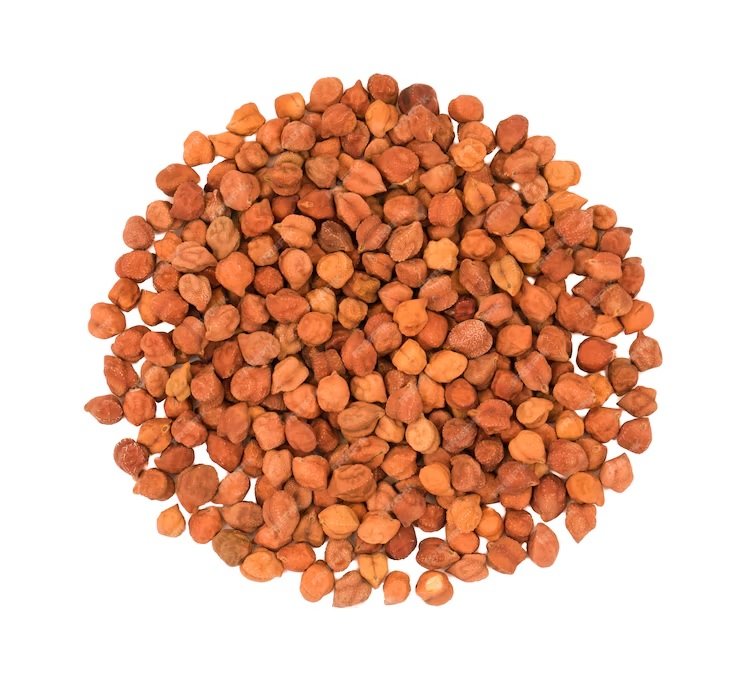
Brisbane. India is the largest producer and consumer of Desi gram in the world, while Australia ranks first in its export.
The latest data from the government agency - Australian Bureau of Statistics (ABS) shows that during the first nine months of the current marketing season i.e. from October 2024 to June 2025, a total of 19,97,415 tonnes of gram was exported from Australia, out of which 14,03,529 tonnes were shipped to India alone.
According to the available data, the highest export of 9,34,583 tonnes of gram to India from Australia was done in the quarter of October-December 2024 and 4,68,796 tonnes in the quarter of January-March 2025.
After its huge import in India, the domestic market price of gram came down significantly because its supply and availability increased significantly and the demand for gram also weakened due to the huge import of cheap yellow peas.
As a result, the import of gram from Australia to India stopped. India did not import gram from Australia in April and May 2025 and imported only 150 tonnes in June.
Meanwhile, the Government of India also imposed an import duty of 10 percent on gram in April. Due to this, the import of Australian gram in the country has now almost stopped.
According to the ABS report, a total of 12,35,037 tonnes of gram was exported from Australia during October-December 2024, 6,94,888 tonnes in January-March 2025, 11,195 tonnes in April, 12,935 tonnes in May and 43,360 tonnes in June 2025.
In the nine months from October 2024 to June 2025, gram was exported from Australia to many other countries besides India.
Under this, 2,24,217 tonnes were shipped to Bangladesh, 2,81,410 tonnes to Pakistan and about 41 thousand tonnes to the United Arab Emirates (UAE).
Australian gram was also exported in small quantities to many other countries. New gram shipments will start arriving there from October but this time Indian importers will not want to show any special enthusiasm or haste in its purchase because the domestic market price remains almost stable.