
India Unlikely to Relinquish Basmati GI Tag
01-Oct-2025 01:37 PM
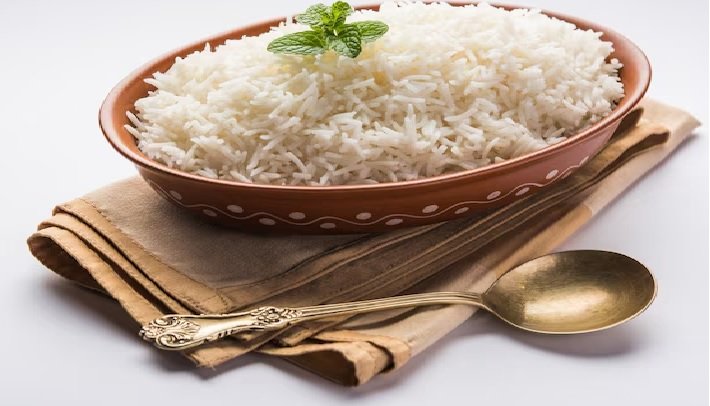
New Delhi. If a proposal to remove the Protected Geographical Indication (GI) tag for Basmati rice emerges during the negotiations for a Free Trade Agreement (FTA) between India and the European Union (EU), India will not accept it.
It is believed that the EU may present India with two options for Basmati rice: either give up its claim to the GI tag or share it with Pakistan.
It is worth noting that the EU has already recognized long-grain aromatic rice produced in Pakistan's Sindh province as Basmati, allowing one of its member countries, Poland, to import it, while India is opposing this. This has complicated the matter considerably.
Like India, Pakistan has also applied to the EU for GI tag recognition for Basmati rice, and recent developments have increased India's concerns.
This has brought the FTA negotiations with the European Union to a complex juncture. The EU may resort to procedural or diplomatic means to break the impasse in trade negotiations and insist on sharing the GI tag with Pakistan. India will not accept this proposal and will continue to oppose granting the GI tag to Pakistani Basmati rice.
India cannot separate the issue of GI tag for Basmati rice from trade negotiations with the EU. India has already included agricultural and dairy products in the trade negotiations, giving the EU a concession.
The GI tag for Basmati rice is a matter of national identity, and it is virtually impossible to keep this issue out of the scope of trade negotiations.
Basmati rice is deeply rooted in India's sovereignty and heritage. If the EU insists on excluding it from trade negotiations, it would be seen as a direct attack on India's sovereignty and heritage, which would be counter to the agenda of the trade negotiations. The application for GI tag for Basmati rice has been kept pending with the EU.