
India will have more losses and less gains from the trade war between China and America.
05-Mar-2025 03:49 PM
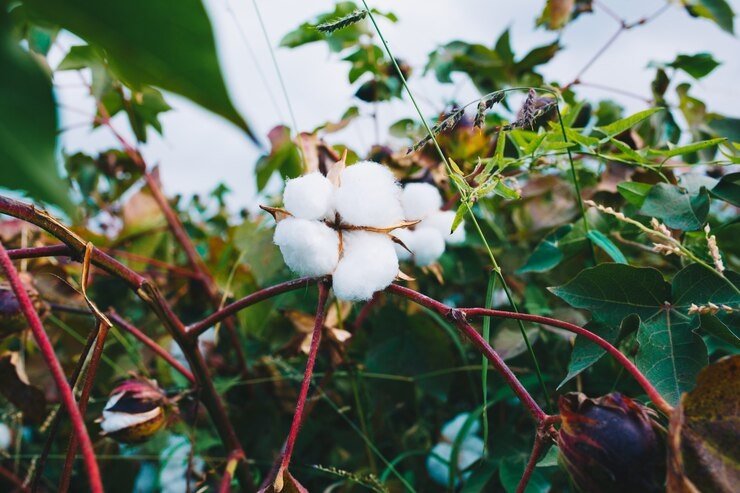
The article outlines the complex dynamics that India faces as a result of the trade war between China and the United States. The escalating trade conflict, with the U.S. imposing higher import duties on Chinese goods and China retaliating with similar duties on American agricultural exports, is unlikely to yield significant benefits for India. While there may be some limited opportunities, such as the potential for increased cotton exports to China, there are several challenges and risks that could harm India's agricultural sector and broader economy.
Key Points:
Limited Benefits from Increased Cotton Exports: While China has increased its import duties on American cotton, India might benefit from this in terms of increased cotton exports. However, this is likely to be a limited gain given the other factors at play.
Impact on Indian Agriculture: The article mentions the potential difficulties if the U.S. exports agricultural products, such as maize, wheat, and soybean, to India. If these imports are allowed or increase significantly, they could put additional pressure on Indian farmers. The U.S. produces genetically modified (GM) grade crops, which are not typically imported in India but could potentially enter the market under different labels.
Import Strategy and Protectionism: The article stresses that the Indian government will need to devise a new strategy to prevent the influx of these American agricultural products. The risk of India becoming a dumping ground for U.S. exports needs to be carefully managed. Additionally, as the U.S. plans to impose or increase duties on Indian goods (including agricultural products) by April 2025, India may need to respond with retaliatory measures, adjusting its own import duties on American products.
Dangers to Indian Farmers: The article highlights how imports from the U.S. could hurt domestic farmers, especially if cheaper or genetically modified products flood the Indian market. These products could undermine local production and lead to an imbalance in the agricultural sector.
Trade Retaliation and Global Trade Policies: The U.S. focus on protecting its own interests in this trade war means that India will need to carefully consider its response. A shift in global trade dynamics, particularly in agriculture, requires India to safeguard its own economic interests and protect its farmers from unfair competition.
In conclusion, the article paints a picture of India being caught in the crossfire of a global trade conflict. While there might be some opportunities, such as increased cotton exports to China, the risks posed to India's agricultural sector and the potential flooding of the market with U.S. products are significant. The Indian government will need to act cautiously, balancing protectionist policies with strategic global trade decisions to avoid long-term economic harm