
Isabgol Crop Faces Damage Concerns; Prices Likely to Stay Firm
19-Mar-2026 05:44 PM
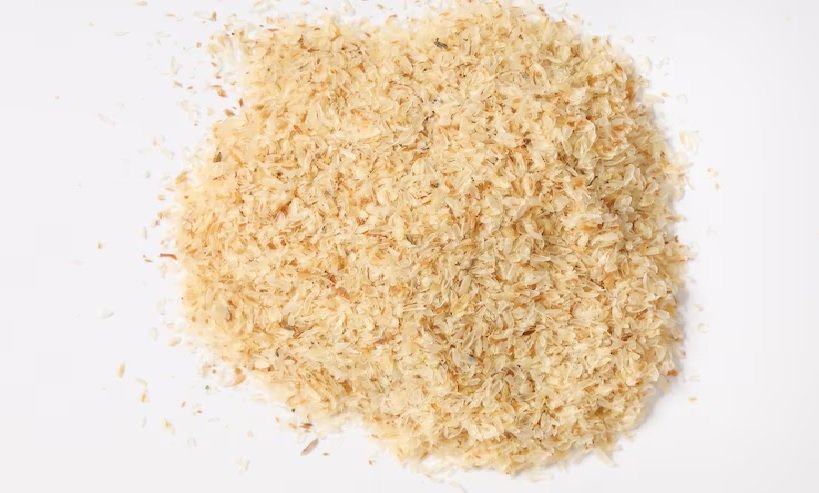
New Delhi: There are concerns of crop damage in the isabgol (psyllium) crop following recent unseasonal rains in Rajasthan, the key producing state. Reports indicate that areas such as Barmer, Jaisalmer, Jalore, and Nokha belt may see crop losses of around 10–15%. However, crop conditions remain good in the Merta and Nagaur regions.
In the current season, sowing in Rajasthan was limited to about 50–60% of the usual area. In Gujarat, isabgol was sown over 17,284 hectares, compared to 27,488 hectares last year. Rajasthan typically accounts for 70–75% of India’s total isabgol production, while Gujarat contributes around 25–30%.
New crop arrivals have started in producing mandis, though peak arrivals are expected in April. Currently, prices in key markets are quoted at ₹110–135 per kg. Market sources suggest that even after arrivals increase, prices may not decline sharply due to expectations of lower overall production for the second consecutive year.
Industry estimates indicate that India’s isabgol production for the current season may range between 2.0–2.2 million bags (each weighing 70–75 kg), significantly lower than 2.8–3.0 million bags in 2025 and 3.8–4.0 million bags in 2024.
Traders believe that with higher arrivals in April, prices may see a short-term correction of ₹5–10 per kg. However, overall price trends for 2026 are expected to remain firm.
Export Update:
Isabgol exports have declined during the current financial year. In the April–January 2026 period, exports of isabgol husk stood at 49,814.76 tonnes, compared to 52,977.46 tonnes in the same period last year. In January 2026, exports were recorded at 5,030.50 tonnes, lower than 5,756.30 tonnes in January 2025.