
Limited producers of paddy and wheat get the benefit of MSP
05-Mar-2025 07:36 PM
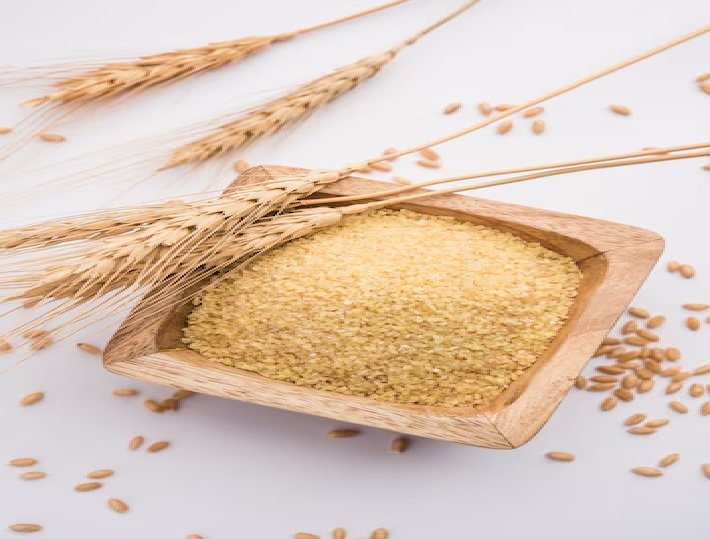
The study highlights a significant issue in India's agricultural sector, where a small proportion of paddy and wheat farmers benefit from the Minimum Support Price (MSP) system. Despite the government's efforts to set MSP as a safety net to ensure farmers get a fair price for their produce, only 15% of paddy farmers and 9.6% of wheat farmers actually receive the benefits.
This disparity arises from several factors:
Limited Reach of MSP: A substantial gap exists between the total number of farmers and those who can access MSP. Farmers often face difficulties in selling their crops at MSP due to logistical challenges, market access, or government procurement priorities.
Focus on Major States: The government's procurement focus is largely on major agricultural states, such as Punjab, Haryana, Uttar Pradesh, and Madhya Pradesh, neglecting smaller states and regions, especially those in the North-East. This creates an uneven distribution of MSP benefits.
Market Share at MSP: Even in major producing states, farmers are able to sell only a small fraction of their stock at MSP—24% for paddy and 21% for wheat, leaving the majority of their produce to be sold at market rates, which could be lower than MSP.
This situation underlines the need for reforms to make MSP more inclusive, ensuring better accessibility for farmers across all regions, especially in smaller or less-focused areas. It also reflects a deeper issue in terms of government procurement strategies and market infrastructure.
The ongoing farmer protests demanding a statutory guarantee of MSP could push the government to reconsider these policies and make changes that benefit a wider section of the farming community