
Monsoon reached Maharashtra after moving ahead from South India
27-May-2025 12:58 PM
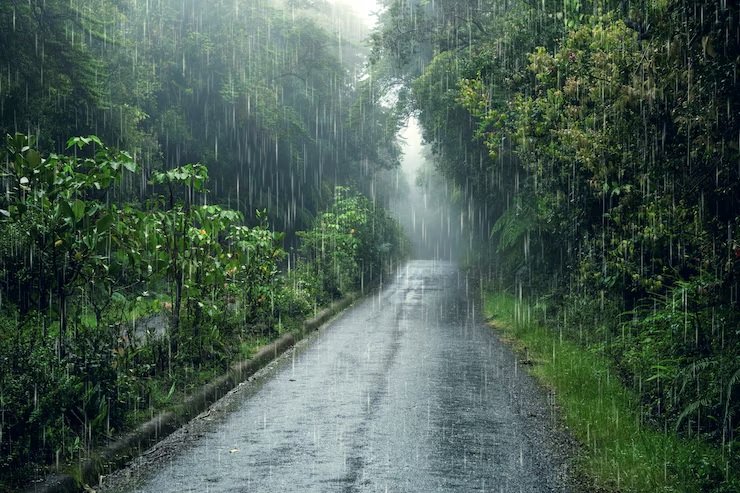
Thiruvananthapuram. This year, the southwest monsoon not only arrived ahead of its usual schedule but is also progressing rapidly. According to the Meteorological Department, the monsoon reached Kerala on 24 May and the northeastern region even earlier, on 19 May.
This means the monsoon arrived in Kerala eight days before the normal date of 1 June and reached the Northeast 12 days early. A similar early arrival was last seen in 2009 when it began on 23 May.
All favorable conditions for the monsoon’s intensity, spread, and movement are currently present, helping it advance into Maharashtra, where several regions have received heavy rainfall. As a result, many fields are waterlogged, and there are concerns about potential crop damage. Rain continues in Karnataka as well, which could allow for early sowing of Kharif crops.
In Maharashtra, stormy weather is expected. The Meteorological Department has warned of sea waves as high as 15 feet and advised fishermen and coastal residents to stay away from the sea.
Wind speeds may remain high. While the Arabian Sea monsoon is active over the southern and western states, the Bay of Bengal monsoon is bringing rainfall to the northeastern region.
Thanks to the good rains, farmers are beginning paddy transplantation earlier than usual. Initial signs suggest that the monsoon’s pace and strength may be better than average this year, with the possibility of it reaching most parts of the country by mid-June.
States like Kerala, Tamil Nadu, Puducherry, Karnataka, Andhra Pradesh, Telangana, Maharashtra, and Goa have been receiving rain over the last 7–8 days, where pre-monsoon showers have merged with the monsoon rains.
It remains to be seen how the monsoon advances from Maharashtra toward Gujarat and Madhya Pradesh. The northern tip of the monsoon may soon reach Uttar Pradesh, Punjab, Haryana, and Delhi, while its western edge may move into Rajasthan and neighboring areas. The eastern trough may activate rainfall over Bengal, Bihar, Jharkhand, and Odisha.
Even distribution of rainfall across regions is essential to ensure successful Kharif crop cultivation throughout the country.