
Preparation of revised MRL framework for spices
27-Feb-2025 06:15 PM
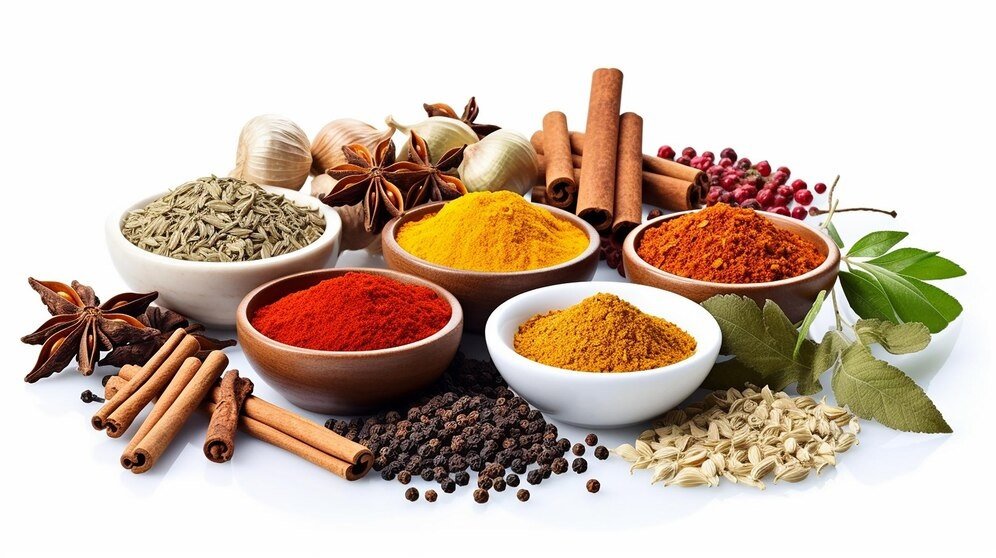
The preparation of a revised Maximum Residue Level (MRL) framework for spices by the Food Safety and Standards Authority of India (FSSAI) aims to address critical challenges faced by Indian spice exporters in the global market. Here are the key aspects of this new initiative:
Key Objectives and Impact:
Increase in MRL Approvals: The revised framework is set to significantly improve the MRL approval process, expanding the number of approved MRLs from just one to 98. This increase will enable better regulation and monitoring of the pesticide or foreign residue levels in Indian spices, allowing for greater flexibility and control.
Harmonization with International Standards: The FSSAI's effort to align Indian standards with global benchmarks will help Indian exporters meet the changing MRL regulations in international markets. By having clear and standardized MRLs, exporters will be better equipped to navigate the complex quality requirements of different countries, minimizing the risk of rejection of consignments due to residue levels.
Impact on Global Spice Trade: India is the world's largest producer and exporter of spices. Maintaining this position requires constant vigilance over the quality of spices. The MRL framework revision is seen as a step toward addressing the residue concerns that have led to controversies, such as the one involving Hong Kong, Singapore, the European Union, and the Middle East in the past year.
Monitoring and Data Transparency: The revised MRL framework will include comprehensive monitoring data, which will improve transparency and help exporters understand which residues are acceptable in which spices. This will provide them with timely information, making it easier to comply with international standards and boost exports.
Addressing Exporter Concerns: A major challenge for Indian exporters has been the inconsistency and frequent changes in MRL levels imposed by importing countries. The revised MRL framework will ensure that exporters have access to up-to-date information, making it easier for them to adapt to shifting regulatory standards.
Broader Benefits:
Reduction in Trade Barriers: By complying with international MRL regulations, Indian spice exports are less likely to face trade barriers, such as rejections or delays, that stem from concerns over residue levels.
Market Expansion: With improved quality standards and a streamlined MRL framework, India’s spices will become more competitive in the global market, helping to secure and expand market share.
Maintaining International Reputation: India’s reputation as a trusted supplier of high-quality spices can be solidified through the consistent application of updated MRL regulations.
In conclusion, the revised MRL framework is poised to strengthen India's position as a global leader in the spice industry by ensuring the safety, quality, and international compliance of its spice exports. The initiative not only addresses concerns over residue levels but also provides a proactive solution to maintain and grow the export market.