
Rabi crops' growth likely to be affected due to lack of rain in northern states
20-Dec-2024 08:07 PM
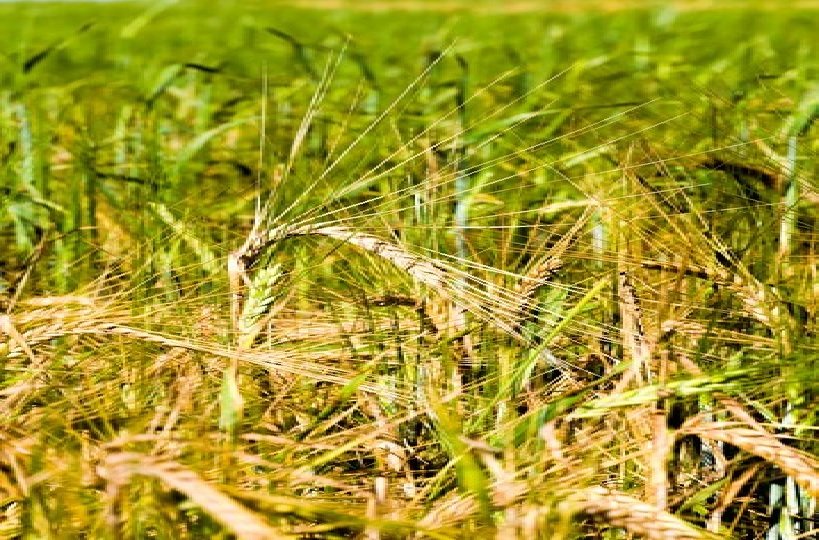
The growth of Rabi crops in northern India is facing challenges due to a lack of rainfall, especially in states like Rajasthan, Punjab, Haryana, Uttar Pradesh, and Madhya Pradesh.
While the national total area for Rabi crop production has increased compared to last year, with significant contributions from wheat, paddy, and gram, other crops are either on par with or lagging behind last year's sowing.
Despite the overall increase in sowing, the absence of adequate rainfall, particularly in northern India, is a growing concern.
The lack of rain hampers the progress of crops, especially in areas dependent on rainfall or lacking a strong irrigation system.
Although the water levels in major dams are higher than last year's and the 10-year average, localized water availability issues persist, which could affect crop growth.
Southern states like Tamil Nadu, Andhra Pradesh, and Kerala, on the other hand, have experienced significant rainfall, but this has led to crop damage in certain areas.
Meanwhile, the India Meteorological Department predicts higher-than-average temperatures across northern, central, and northwestern states, along with fog and dense mist, which could further affect crop development.
The temperature drop is expected to slow down moisture evaporation from the soil, but rain is still essential for the continued healthy growth of crops.
Winter rains are particularly crucial for Rabi crops, and in some areas, this rainfall is vital for ensuring that crops, especially wheat, can thrive.
Wheat sowing has been prioritized this year due to its high market price, supported by an increase in its minimum support price (MSP), from Rs 2275 to Rs 2425 per quintal.