
Rainfall in states like Maharashtra and Karnataka is helping in the cultivation of Kharif crops
26-May-2025 04:54 PM
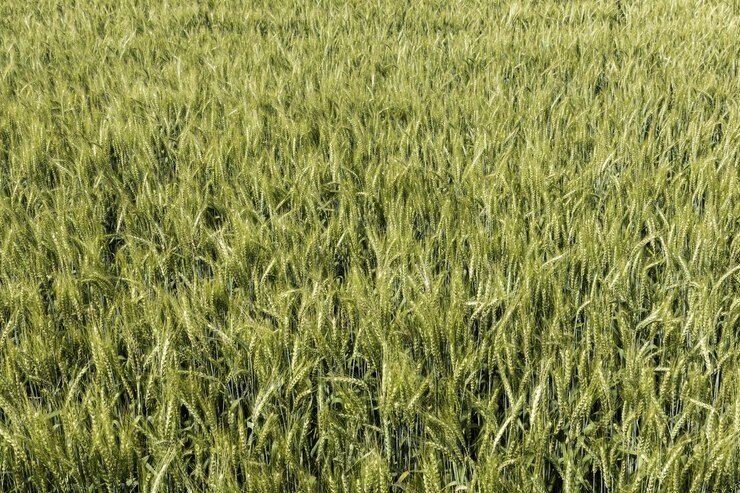
Mumbai. The intermittent rains in the western and southern parts of India since May 19 have caused some inconvenience to the general public, but they are proving beneficial for farmers by helping them begin Kharif sowing on time.
Although Maharashtra and Karnataka are not among the top rice-producing states, they are major producers of pulses, oilseeds, cotton, and sugarcane, along with coarse grains. States like Telangana, Andhra Pradesh, Kerala, and Tamil Nadu are also receiving rainfall.
According to the Meteorological Department, the southwest monsoon is expected to enter the Indian mainland via the southern tip of Kerala (Calicut coast) on May 27.
Weather patterns over the Bay of Bengal and the Arabian Sea have become conducive to the monsoon’s arrival. Monsoon activity is already visible near the Andaman Sea and the Sri Lankan coast.
The current rain spells in the southern and western regions will likely merge with monsoon rains and help in their wider spread. While the speed of the monsoon will depend on upcoming wind patterns, its expected early arrival—four days ahead of the usual date of June 1—suggests it will reach other parts of the country on schedule.
Kharif season sees large-scale cultivation of crops such as paddy, tur, urad, moong, maize, jowar, bajra, ragi, soybean, groundnut, sesame, castor, cotton, sugarcane, and jute.
Around 70% of India’s annual rainfall occurs between June and September during the southwest monsoon, which plays a crucial role in the success of these crops.
Timely and adequate rainfall can lead to a bumper harvest, helping control food inflation—especially in pulses and oilseeds. Better crop yields would reduce dependence on imports of edible oils and pulses while boosting farmers' incomes. The Minimum Support Price (MSP) for Kharif crops is expected to be announced soon.