
Rising rice prices in Bangladesh despite import duty cut, government expected to take strict action
27-Nov-2024 11:02 AM
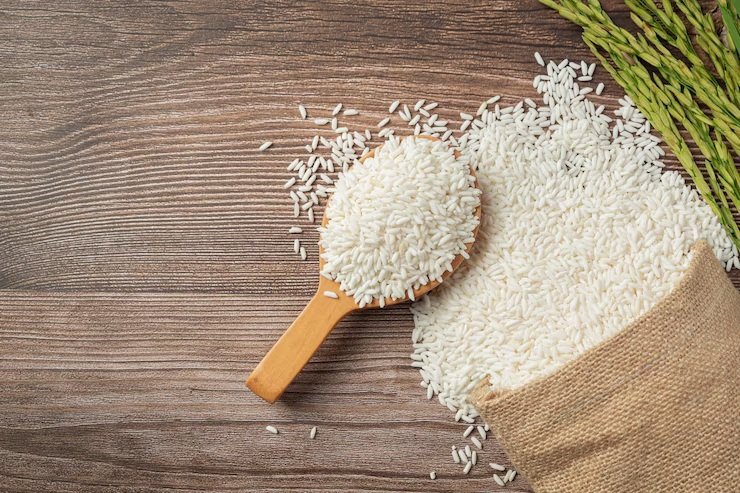
Rising rice prices in Bangladesh despite import duty cut, government expected to take strict action
The situation with rising rice prices in Bangladesh, despite the reduction in import duties, reflects a complex combination of local and global factors. Here’s a breakdown of the key issues and what the government might do next:
Current Situation:
Duty Reduction Impact: The Bangladesh government recently cut import duties on rice to control inflation, but this measure has not led to a significant drop in prices. The government has allowed the import of 15 lakh tonnes of rice, but as of now, only a small fraction (15,000 tonnes) has been imported.
Price Trends:
The price of coarse rice has fallen slightly by 2 taka per kg in the past month, but the prices of medium and better-quality rice have risen by 4 taka per kg.
This is largely due to the rising prices in major exporting countries, which have offset any benefit from reduced import duties.
Domestic Supply vs. Demand:
Bangladesh’s annual demand for rice is around 370-390 lakh tonnes, while production stands at 400 lakh tonnes. On paper, this suggests there should be an adequate supply.
However, extensive crop damage caused by rains in August, which affected 65 lakh hectares across 23 districts, has reduced the total available rice for consumption.
Government Actions:
The government has set ambitious procurement targets for the next financial year, with plans to buy 3.5 lakh tonnes of Aman paddy at a fixed price of 33 taka per kg. Additionally, they aim to collect 5.5 lakh tonnes of par-boiled rice and 1 lakh tonnes of Atap rice from domestic sources.
The government currently has around 12 lakh tonnes of food grains in its stockpile, including rice and wheat, which it can use to stabilize prices.
International Trade:
Bangladesh is continuing to issue international tenders to secure rice and wheat supplies, but the rising prices in global markets are making this more challenging.
Why Prices Are Rising Despite Import Duty Cut:
Global Factors: Rice prices in exporting countries have increased, driven by supply disruptions and inflationary pressures in those markets. These higher export prices are passed on to importing countries like Bangladesh.
Local Crop Damage: The heavy rains that caused widespread crop damage have worsened the supply situation. Even though Bangladesh is typically self-sufficient, the damage to the Aman crop has created an imbalance between supply and demand, putting upward pressure on prices.
Slow Import Response: Although the government has allowed rice imports, the actual volume imported so far is minimal. This sluggish response to market needs means that the available supply in the market remains limited.
What the Government Might Do:
Given the situation, it is expected that the government will take strict action to control the price hike. Potential measures could include:
Increased Imports: Accelerating the pace of rice imports by clearing bottlenecks in the tendering and procurement process.
Price Control Mechanisms: Setting more stringent price caps for rice in both wholesale and retail markets.
Incentives for Local Production: Providing further subsidies or incentives to local farmers to boost rice production, especially for the upcoming Aman season.
Emergency Imports: The government may increase efforts to secure emergency rice imports through bilateral agreements or international tenders at competitive prices.
Conclusion:
Despite the duty cut, external factors like global price hikes and local crop damage are playing a significant role in keeping rice prices high. The government will likely focus on ramping up imports and may take additional steps to stabilize prices in the coming months.