
Selenium found in wheat sent from Punjab to Maharashtra
06-Mar-2025 11:47 AM
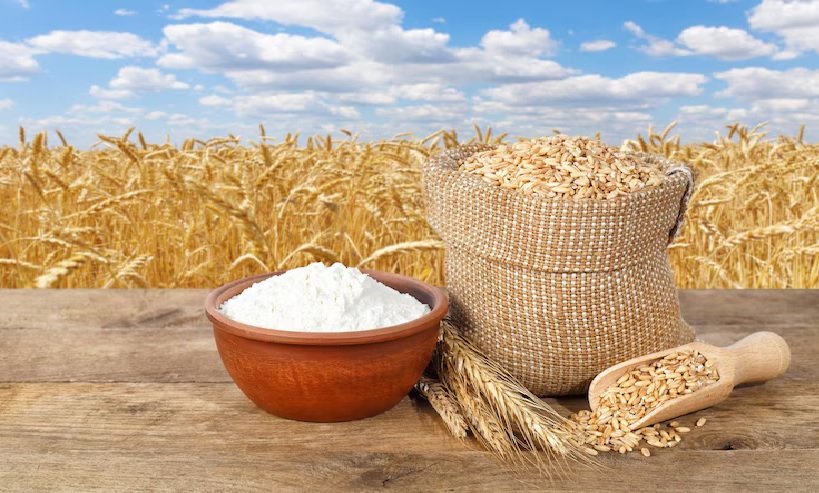
The situation in Buldhana, Maharashtra, where people experienced sudden hair loss, has raised concerns about the potential health impact of selenium-contaminated wheat from Punjab. According to investigations, the wheat supplied through the Public Distribution System (PDS) contained higher levels of selenium, which led to an increase in cases of alopecia totalis (complete hair loss).
Experts have mixed opinions about the cause and its broader implications:
Wheat Contamination: It appears that wheat sourced from certain areas of Punjab, especially regions with high selenium content in the groundwater (such as Hoshiarpur, Nawanshahr, and Ropar), was distributed to Buldhana. High selenium levels in soil or water may cause this element to accumulate in crops, potentially leading to health issues when consumed in large quantities over time.
Expert Opinions: Experts from Punjab Agricultural University in Ludhiana have confirmed that high selenium levels are present in the groundwater of certain districts of Punjab. However, they note that people in those affected areas, where selenium levels are high, do not report similar health issues like baldness, which raises questions about whether the selenium in wheat alone can cause such problems. They suggest that further research is necessary.
Local Impact: The experts also point out that wheat from regions with high selenium levels is consumed by people in the producing areas without noticeable adverse effects, making it unclear why the wheat sent to Buldhana would cause this specific health issue. The hypothesis that limited selenium exposure from wheat could lead to such severe consequences (like baldness) is still under debate.
Conclusion:
While selenium in wheat could potentially cause health problems like hair loss, especially in high concentrations, it’s uncertain whether this is the definitive cause of the baldness in Buldhana. The situation requires further investigation to determine whether the selenium levels in the wheat were responsible or if other factors contributed to the hair loss